

2012 Jeep Grand Cherokee User Guide: An Overview
This guide details the 2012 Jeep Grand Cherokee, covering specifications, systems, maintenance, safety, and troubleshooting—a comprehensive resource for owners․
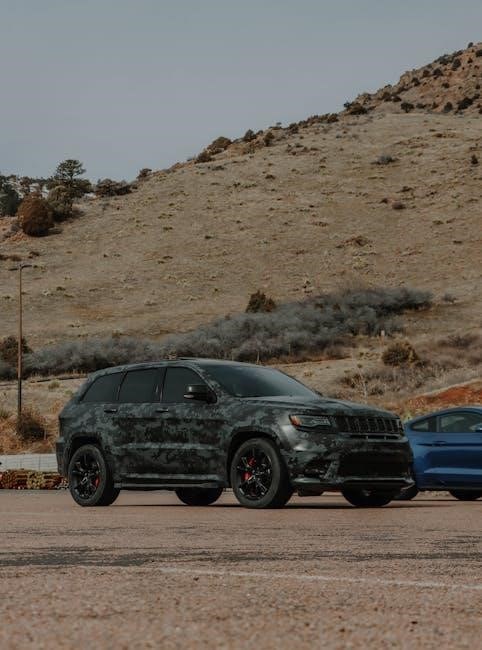
Welcome to the 2012 Jeep Grand Cherokee! This vehicle represents a blend of luxury, capability, and advanced technology․ This user guide serves as your primary resource for understanding and operating your Grand Cherokee effectively․ It details everything from basic controls to complex systems, ensuring a safe and enjoyable driving experience․
The 2012 model year builds upon Jeep’s legacy of off-road prowess while incorporating refined interior features and modern conveniences․ Whether you’re navigating city streets or exploring rugged terrain, this guide will help you maximize your vehicle’s potential․ Familiarize yourself with its contents to unlock the full spectrum of features available to you․
Vehicle Specifications & Key Features
The 2012 Jeep Grand Cherokee boasts several engine options, including a 3․6L V6 and powerful 5․7L V8, paired with a sophisticated automatic transmission․ Key dimensions include a wheelbase of 114․8 inches and overall length of 189․8 inches․ Standard features encompass air conditioning, power windows/locks, and a premium audio system․
Notable highlights include available four-wheel drive systems, a luxurious interior with leather seating options, and advanced safety technologies like Electronic Stability Control․ The UConnect infotainment system provides seamless connectivity․ Towing capacity varies based on configuration, reaching up to 5,000 pounds․ This vehicle offers a compelling combination of performance, comfort, and versatility․
Understanding Your Vehicle’s Systems
Explore the intricate workings of your 2012 Grand Cherokee, from the engine and transmission to the 4×4 system, braking, and electronic components․
Engine and Transmission
The 2012 Jeep Grand Cherokee offered several engine options, including a 3․6L Pentastar V6 and various V8 engines – 5․7L and 6․4L․ Understanding your specific engine is crucial for proper maintenance․ The V6 provides a balance of power and fuel efficiency, while the V8s deliver enhanced performance and towing capacity․
Transmission choices included a five-speed automatic (with the V6) and a six-speed automatic (with V8s)․ Regular transmission fluid checks are vital․ Pay attention to shifting smoothness; any harshness or delays could indicate a need for service․ Familiarize yourself with the gear selector positions and their functions for optimal driving experience and vehicle control․
4×4 Systems & Operation
The 2012 Grand Cherokee boasts multiple 4×4 systems, including Quad-Trac I, Quad-Trac II, and Selec-Terrain․ Quad-Trac I is a full-time, automatic 4WD system․ Quad-Trac II adds a low-range gear for enhanced off-road capability․ Selec-Terrain allows drivers to select driving modes (Auto, Snow, Sport, Sand/Mud, Rock) optimizing traction․
Understanding each system’s operation is key․ Engage 4-Low only on loose surfaces․ Avoid using 4-Low on dry pavement to prevent drivetrain damage․ Regularly inspect the transfer case fluid․ The electronic controls manage power distribution, enhancing stability and control in various conditions․ Proper usage maximizes performance and safety during inclement weather or off-road adventures․
Braking System & Features

The 2012 Grand Cherokee utilizes a robust braking system featuring four-wheel disc brakes with Anti-lock Brake System (ABS) and Brake Assist․ ABS prevents wheel lockup during hard braking, maintaining steering control․ Brake Assist detects emergency braking situations and applies maximum stopping power․
Additional features include Electronic Stability Control (ESC) and Traction Control System (TCS)․ ESC helps maintain directional stability, while TCS limits wheel spin․ Regularly inspect brake pads, rotors, and fluid levels․ The system’s performance is crucial for safety; ensure proper maintenance․ Familiarize yourself with the feel of the brakes for optimal responsiveness and safe stopping distances․

Interior Features & Controls
Explore the 2012 Grand Cherokee’s cabin, featuring UConnect infotainment, climate controls, and comfortable seating—designed for a premium driving experience and user-friendly operation․
UConnect Infotainment System
The 2012 Jeep Grand Cherokee’s UConnect system provides a central hub for entertainment and vehicle information․ Featuring a touchscreen display, it allows control over audio, navigation, and climate settings․ Users can seamlessly integrate smartphones via Bluetooth for hands-free calling and audio streaming․ The system supports SiriusXM satellite radio and offers optional features like a rear-seat entertainment system․
UConnect also includes voice command functionality for select features, enhancing driver convenience and safety․ Navigation, when equipped, provides turn-by-turn directions and real-time traffic updates․ The system’s user interface is designed for intuitive operation, allowing drivers to quickly access desired functions without distraction․ Regular software updates may be available to improve performance and add new features․
Climate Control System
The 2012 Jeep Grand Cherokee offers a sophisticated climate control system designed for passenger comfort in all conditions․ A dual-zone automatic temperature control is standard, allowing independent settings for driver and front passenger․ Manual rear climate controls are also available, ensuring rear occupants can adjust their comfort levels․ The system features a robust air filtration system to minimize allergens and odors․
Quick climate adjustment is facilitated by large, easy-to-use controls․ Defrost and defog functions rapidly clear windshields for improved visibility․ Heated and ventilated front seats are optional, providing enhanced comfort in extreme temperatures․ The system integrates with the UConnect infotainment system for convenient control and monitoring of cabin temperature․
Seating & Interior Comfort
The 2012 Jeep Grand Cherokee prioritizes passenger comfort with a well-appointed interior and versatile seating options․ Standard features include cloth upholstery, with available upgrades to leather for a more premium feel․ Front seats offer ample support and adjustability, including power options for enhanced customization․ Available heated and ventilated front seats add to the comfort level․
The rear seats provide generous legroom and comfortable seating for three passengers․ A 60/40 split-folding rear seat configuration allows for flexible cargo space․ Interior materials are durable and aesthetically pleasing; Attention to detail, such as soft-touch surfaces and thoughtful storage solutions, contributes to a refined and comfortable cabin experience․

Maintenance & Service
Regular maintenance ensures optimal performance and longevity of your 2012 Grand Cherokee; this section details schedules, fluid checks, and tire care․
Recommended Maintenance Schedule
Maintaining your 2012 Jeep Grand Cherokee requires adherence to a specific schedule to ensure reliability and performance․ Every 7,500 miles (or six months) necessitates an oil and filter change, tire rotation, and a comprehensive multi-point inspection․
At 15,000 miles, add to the previous services a cabin air filter replacement and brake system inspection․ By 30,000 miles, the engine air filter, fuel filter, and transmission fluid should be checked and replaced if needed․
Further intervals include coolant flushing (around 60,000 miles) and spark plug replacement (around 100,000 miles)․ Always consult your owner’s manual for detailed specifics tailored to your driving conditions and usage․
Fluid Checks & Replacements
Regularly checking and maintaining fluid levels is crucial for your 2012 Jeep Grand Cherokee’s health․ Inspect engine oil weekly, topping off as needed with the correct viscosity․ Coolant levels should be checked monthly, ensuring a 50/50 mix of antifreeze and distilled water․
Brake fluid should be inspected for contamination and replaced every two to three years․ Power steering fluid levels are also vital; low levels indicate a potential leak․ Transmission fluid condition is key – check the dipstick for color and smell, replacing it according to the maintenance schedule․
Don’t forget windshield washer fluid and differential fluids, ensuring optimal operation․
Tire Information & Maintenance
Maintaining proper tire pressure is essential for your 2012 Jeep Grand Cherokee’s safety and performance․ Refer to the sticker on the driver’s side doorjamb for recommended PSI․ Regularly inspect tires for wear and damage, including cuts, bulges, and uneven tread wear․
Rotate tires every 8,000 miles to promote even wear and extend their lifespan․ Check tire tread depth using a tread depth gauge; replace tires when they reach 2/32 of an inch․
Ensure proper wheel alignment to prevent premature tire wear․ When replacing tires, use the correct size and load rating as specified in your owner’s manual․

Safety Features & Operation
This section details the 2012 Grand Cherokee’s safety systems—airbags, stability control, and security—ensuring driver and passenger protection on every journey․
Airbag System
The 2012 Jeep Grand Cherokee is equipped with an advanced airbag system designed to provide occupant protection in the event of a collision․ This system includes front airbags for both driver and passenger, side-curtain airbags for front and rear outboard occupants, and front seat-mounted side airbags․
The airbags are designed to deploy in moderate to severe frontal impacts, as well as in certain side impacts․ Deployment is controlled by a sophisticated sensor system that determines the severity of the impact and whether airbag deployment is necessary․ Important: Always wear your seatbelt, as airbags are designed to work with seatbelts, not replace them․ Improper seating positions can increase the risk of injury during airbag deployment․ Regularly inspect the airbag system for any warning lights and consult a qualified technician for any concerns․
Electronic Stability Control
The 2012 Jeep Grand Cherokee features Electronic Stability Control (ESC), a crucial safety system designed to help maintain directional control during challenging driving conditions․ ESC monitors steering input and the vehicle’s actual path, detecting potential skids or loss of control․
When ESC senses a deviation, it selectively applies braking force to individual wheels and adjusts engine torque to help steer the vehicle back onto the intended course․ A flashing ESC indicator light on the instrument panel signals the system is actively intervening․ Note: ESC is not a substitute for careful driving; always maintain a safe speed and be aware of road conditions․ The system enhances stability, but cannot overcome the laws of physics․
Security System
The 2012 Jeep Grand Cherokee’s security system provides a multi-layered defense against theft and unauthorized access․ It includes an engine immobilization system, preventing the vehicle from starting without the correct key․ Additionally, the system features door locks that automatically engage when the ignition is turned off, and a panic alarm activated by the key fob․

Activation/Deactivation: Arming the system is typically done by pressing the lock button on the key fob․ Disarming requires unlocking the driver’s door with the key or using the key fob’s unlock button․ A red security indicator light on the instrument panel confirms system status․ Important: Familiarize yourself with the system’s operation and key fob functions for optimal protection․

Troubleshooting & Common Issues
This section addresses typical 2012 Grand Cherokee problems, warning lights, jump-start procedures, and basic diagnostics for quick resolution of issues․
Warning Lights & Indicators
Understanding the 2012 Jeep Grand Cherokee’s warning lights is crucial for preventative maintenance and safe operation․ The Check Engine light indicates potential engine or emissions system issues, requiring diagnosis․ A flashing Check Engine light signals a severe problem needing immediate attention․ The ABS light illuminates if there’s a problem with the anti-lock braking system․
The Airbag light signifies a fault in the airbag system, compromising passenger safety․ Low Tire Pressure Monitoring System (TPMS) light alerts drivers to underinflated tires․ Other indicators include the Security System light, indicating system activation, and various drivetrain warning lights related to 4×4 operation․ Consult the owner’s manual for detailed explanations of each indicator and recommended actions․ Ignoring warning lights can lead to more significant and costly repairs․
Jump Starting Procedures
If your 2012 Jeep Grand Cherokee’s battery is depleted, follow these jump-starting procedures carefully․ First, position a second vehicle close enough for the jumper cables to reach, but ensure the vehicles aren’t touching․ Connect the red (+) cable to the positive terminal of the discharged battery, then to the positive terminal of the good battery․
Next, connect the black (-) cable to the negative terminal of the good battery, and finally, to a grounded metal surface on the Grand Cherokee, away from the battery․ Start the good vehicle and let it run for a few minutes․ Then, attempt to start the Grand Cherokee․ Disconnect the cables in the reverse order of connection․ Consult the owner’s manual for specific guidance and safety precautions․
Basic Diagnostic Checks
Performing basic diagnostic checks on your 2012 Jeep Grand Cherokee can help identify minor issues before they escalate․ Regularly inspect fluid levels – oil, coolant, brake fluid, and power steering fluid – ensuring they are within the recommended ranges․ Check tire pressure and tread depth for safe driving conditions․

Visually inspect belts and hoses for cracks or wear․ Pay attention to any unusual noises, smells, or vibrations while driving․ Observe the instrument panel for warning lights; consult the owner’s manual to understand their meaning․ A simple visual inspection and awareness of your vehicle’s normal operation can prevent costly repairs․ Remember safety first!