
Bird art, like any creative endeavor, intersects with legal frameworks, particularly copyright law. Understanding these laws is vital for artists, protecting their original creations and avoiding infringement issues.
The increasing popularity of ornithological art necessitates a firm grasp of copyright principles, ensuring both artistic freedom and legal compliance within the creative process.
The Rising Interest in Ornithological Art
The allure of birds has captivated artists for centuries, but recent years have witnessed a significant surge in ornithological art’s popularity. This renaissance spans diverse mediums – from detailed watercolor paintings and intricate graphite drawings to vibrant digital illustrations and innovative mixed-media pieces. This growing interest is fueled by increased awareness of avian biodiversity, conservation efforts, and a broader appreciation for the natural world.
Furthermore, the accessibility of birdwatching and photography, coupled with the rise of online platforms for sharing artwork, has contributed to this flourishing artistic movement. Like the intricate structures built by birds themselves – bowers and beehives – artists are drawn to the detailed beauty and inherent creativity found in the avian realm, prompting a need to understand the legal landscape surrounding their work.
Why Understanding Copyright is Crucial for Bird Artists
For bird artists, a solid understanding of copyright law isn’t merely advisable – it’s essential. Copyright protects original works of authorship, including pictorial, graphic, and sculptural artwork, granting exclusive rights to creators. This protection safeguards against unauthorized reproduction, distribution, and the creation of derivative works, crucial in a field where stylistic imitation can be common.
Ignoring copyright principles can lead to legal disputes, financial penalties, and damage to an artist’s reputation. Even stating “no copyright infringement intended” doesn’t absolve an artist of responsibility when using protected material. Knowing your rights, and the rights of others, is paramount for navigating the complexities of referencing photographs or other artists’ work, ensuring both creative freedom and legal security.
Copyright Basics for Bird Artwork
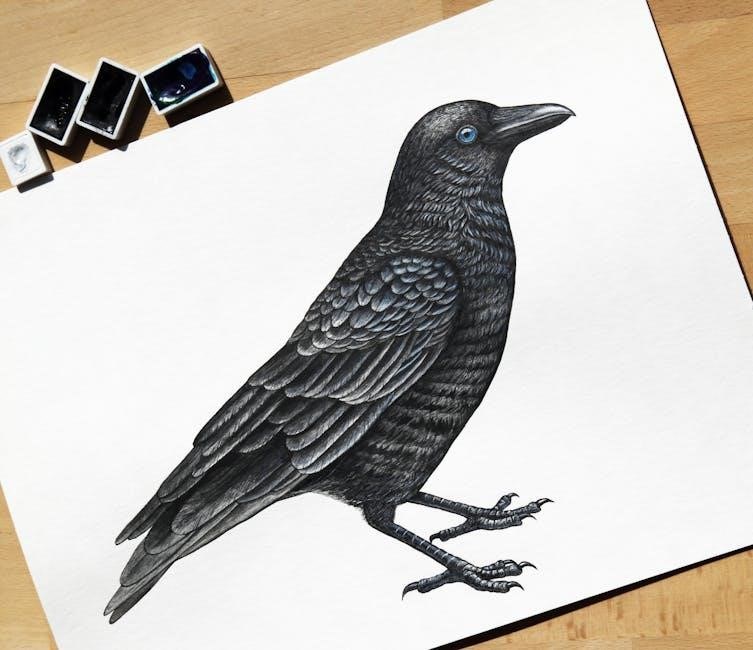
Copyright law grants monopoly protection for original bird artwork, promoting artistic expression. Exclusive rights include reproduction, distribution, and creating derivative works, as defined by US law.
What Does Copyright Protect? (Originality & Creativity)
Copyright safeguards original works of authorship, encompassing pictorial, graphic, and sculptural bird art. This protection isn’t about the idea of a bird illustration, but the unique expression of that idea. A work must be independently created – not copied – and demonstrate a sufficient degree of creativity to qualify.
Creativity, in this context, doesn’t demand exceptional artistic skill. Even simple bird sketches can be copyrightable if they reflect the artist’s individual choices and execution. The standard is relatively low, focusing on minimal creativity. However, merely replicating a photograph or tracing another artist’s work generally won’t meet the originality requirement for copyright protection. The artwork needs to showcase the artist’s own creative input.
Exclusive Rights Granted to Bird Artists
Copyright law grants bird artists a bundle of exclusive rights concerning their original artwork. These rights empower the artist to control how their work is used. Primarily, this includes the right to reproduce the artwork – making copies for sale or distribution. Artists also possess the right to create derivative works, such as adapting a bird painting into a print or using it in a new composition.
Furthermore, copyright holders have the exclusive right to publicly display their work, whether in a gallery, online, or in a publication. They also control the right to distribute copies of the artwork to the public through sale, rental, or lending. These exclusive rights allow bird artists to monetize their creations and prevent unauthorized exploitation of their intellectual property.
Duration of Copyright Protection for Bird Illustrations
In the United States, the duration of copyright protection for bird illustrations, like other artistic works, is complex. Generally, for works created after January 1, 1978, copyright lasts for the life of the author plus 70 years. This means that after the artist’s death, their heirs or estate retain copyright control for seven decades.
For works created before 1978, the rules are different, often depending on whether the work was published and whether copyright was renewed. Copyright terms were shorter in the past, and many older works have entered the public domain. Understanding these varying terms is crucial for bird artists to know when their work is protected and when it becomes freely available for use by others, avoiding potential legal issues.

Copyright and Bird Reference Materials
Utilizing reference materials—photos or other art—requires careful consideration of copyright law, particularly the ‘fair use’ doctrine, to avoid potential infringement claims.
Using Photographs as Reference: Fair Use Doctrine
Bird artists frequently rely on photographs as reference materials, prompting questions about copyright; The “fair use” doctrine allows limited use of copyrighted material without permission from the rights holder. However, determining fair use is complex and context-dependent.
Factors considered include the purpose and character of your use (transformative vs. simply copying), the nature of the copyrighted work, the amount and substantiality of the portion used, and the effect on the potential market for the copyrighted work. Simply tracing a photograph generally isn’t considered fair use.
Creating a substantially different artwork – a derivative work – that transforms the original photograph’s character and adds new expression is more likely to qualify. Attribution alone doesn’t excuse infringement. Always assess the specific situation and, when in doubt, seek legal counsel to ensure compliance with copyright law.
Copyright Implications of Drawing from Other Artists’ Work
Drawing inspiration from other bird artists is common, but directly copying their work infringes on their copyright. Copyright protects original works of authorship, including pictorial and graphic art. Simply replicating another artist’s composition, style, or specific elements constitutes infringement, even with alterations.
Creating a “derivative work” based on a copyrighted image requires permission from the copyright holder. A derivative work transforms the original, but still relies heavily on it. Merely changing a few details doesn’t make it original enough to avoid infringement.
Focus on developing your own unique artistic style and relying on original reference materials, like photographs or direct observation; Understanding the line between inspiration and imitation is crucial for ethical and legal practice in bird art.
Public Domain Images of Birds: A Legal Resource
Public domain images of birds offer a valuable, legally safe resource for artists. These images are no longer protected by copyright, allowing free use for creating artwork without permission or licensing fees. Works enter the public domain due to expired copyright terms or deliberate dedication by the creator.
Resources like museums and libraries often provide access to public domain bird illustrations. However, verifying the copyright status is crucial; simply finding an image online doesn’t guarantee it’s free to use. Be cautious of images with unclear origins.
Utilizing public domain images allows artists to study historical depictions of birds and incorporate elements into their work legally, fostering creativity while respecting intellectual property rights.
Derivative Works and Bird Art
Creating art based on existing bird illustrations raises copyright questions. Transformative use—adding significant new expression—may be permissible, but licensing is often required.
Creating Variations of Existing Bird Illustrations
When an artist draws inspiration from pre-existing bird artwork, the legal landscape becomes nuanced. Simply altering an image – changing colors, cropping, or minor adjustments – generally doesn’t qualify as transformative use and can still infringe upon the original copyright.
However, substantial changes that add new meaning, expression, or purpose may be considered a derivative work protected under “fair use” or transformative use doctrines. This requires a significant alteration, going beyond mere replication. Consider adding a unique artistic style, combining elements from multiple sources, or using the illustration to convey a different message.
It’s crucial to remember that even with transformative changes, attributing the original artist is good practice, but doesn’t negate potential copyright issues if permission wasn’t obtained. Always prioritize originality and seek legal counsel when unsure about the boundaries of derivative work creation.
Transformative Use and Copyright
The “transformative use” doctrine is a critical component of copyright law, particularly relevant for bird artists. It assesses whether a new work adds something new, altering the original with new expression, meaning, or message. Merely copying with slight modifications isn’t transformative.
For bird art, this could involve using a reference photograph as a starting point but drastically changing the style, medium, or context; For example, turning a realistic depiction into an abstract watercolor painting might qualify. The key is whether the new work “builds upon” the original, rather than simply reproducing it.
Courts consider factors like the purpose and character of the new work, the nature of the copyrighted work, the amount and substantiality of the portion used, and the effect on the potential market. Transformative use provides a defense against copyright infringement, but its application is fact-specific and often requires legal interpretation.
Licensing Bird Artwork for Commercial Use
If you intend to profit from your bird artwork – through prints, merchandise, or digital use – understanding licensing is crucial. A license grants permission to use your copyrighted work in specific ways, defined by a contract between you (the licensor) and the user (the licensee).
Licenses specify permitted uses (e.g., print-on-demand, website graphics), territory, duration, and royalty rates. Exclusive licenses grant sole usage rights, while non-exclusive licenses allow multiple users. Carefully define these terms to protect your rights and income.
Consider using standard licensing agreements or consulting legal counsel to draft a tailored contract. Clearly outline ownership, credit requirements, and termination clauses. Proper licensing safeguards your copyright while enabling commercial opportunities for your beautiful bird illustrations.
Protecting Your Bird Artwork
Safeguarding your bird illustrations involves copyright registration, watermarking, and understanding digital rights management tools to deter unauthorized use and enforce your legal rights.
Copyright Registration: Benefits and Process
While copyright protection is automatic upon creation of an original work, registering your bird artwork with the U.S. Copyright Office offers significant legal advantages. Registration creates a public record of your ownership claim, crucial for enforcing your rights.
Specifically, it’s a prerequisite for filing an infringement lawsuit. Without registration, remedies may be limited. The process involves submitting an application, a copy of your artwork, and a fee through the Copyright Office’s website.
Currently, the standard filing fee is around $45-$65. Registration typically takes several months. Importantly, timely registration—within three months of publication—allows you to seek statutory damages and attorney’s fees in an infringement case, significantly bolstering your legal position.
Watermarking and Digital Rights Management (DRM)
Protecting bird artwork online requires proactive measures. Watermarking—embedding a visible or invisible mark onto your images—deters unauthorized use and identifies ownership. Visible watermarks, while potentially detracting from the art, are a clear deterrent. Invisible watermarks, using digital steganography, are less noticeable but can be detected with specialized software.
Digital Rights Management (DRM) technologies offer more robust protection, controlling access and usage. However, DRM can be complex to implement and may hinder legitimate sharing.
Consider the balance between security and accessibility. While these methods aren’t foolproof replacements for copyright registration, they serve as valuable layers of protection against casual infringement and demonstrate your intent to safeguard your work.
Legal Issues Specific to Bird Art
Bird art presents unique legal considerations, including depicting endangered species and ensuring anatomical accuracy, navigating potential restrictions and avoiding misrepresentation claims.
Depicting Endangered Species: Potential Restrictions
Illustrating endangered bird species introduces specific legal complexities. While artistic license is generally permitted, certain restrictions apply, particularly concerning commercial exploitation of the image. Depicting these birds in a way that encourages illegal activities – like poaching or habitat destruction – could lead to legal repercussions.
Artists should be mindful of the potential for their work to inadvertently contribute to harm. For instance, detailed illustrations pinpointing nesting locations could attract unwanted attention from collectors or poachers. Furthermore, some jurisdictions may require permits or licenses for commercially selling artwork featuring protected species.
It’s crucial to research the specific legal protections afforded to the bird species being depicted and to ensure compliance with all applicable regulations. Consulting with legal counsel specializing in wildlife law is advisable when dealing with sensitive subjects.
Artistic License vs. Misrepresentation of Bird Anatomy
Bird artists often employ artistic license, stylizing or exaggerating features for aesthetic effect. However, a significant misrepresentation of bird anatomy can raise ethical and potentially legal concerns, especially if the artwork is presented as scientifically accurate. While copyright law primarily protects originality, misleading depictions could invite scrutiny.
If an illustration is intended for educational purposes – field guides, for example – accuracy is paramount. Deviations from established anatomical understanding could be considered deceptive. Conversely, purely imaginative artwork, clearly labeled as such, enjoys greater freedom. The context of the artwork is crucial.
Artists should strive for a balance between creative expression and responsible representation, particularly when depicting vulnerable species or contributing to ornithological knowledge; Transparency regarding artistic choices is key.
Copyright and Bird Art Competitions/Exhibitions
Entering bird artwork into competitions or exhibitions involves careful consideration of copyright. Typically, artists retain copyright even when submitting work, but the competition/exhibition organizers often require a license to reproduce the artwork for promotional purposes – catalogs, websites, social media.
Read the competition rules meticulously! Understand what rights you are granting and for how long. Some competitions may request exclusive reproduction rights for a limited period. Ensure the agreement doesn’t unduly restrict your future use of the artwork.
Exhibitions usually require non-exclusive reproduction rights for promotional materials. Always document any agreements in writing. Protecting your copyright during these events is crucial for maintaining control over your creative work and preventing unauthorized use.
Navigating Copyright Infringement
Identifying and addressing copyright infringement is crucial for bird artists. Cease and desist letters are often the first step, potentially leading to legal action if necessary.
Identifying Copyright Infringement in Bird Art
Recognizing copyright infringement in bird artwork requires careful observation. Look for substantial similarity between your original work and another’s, extending beyond mere coincidence. Consider if the alleged infringing work copies protected elements – the unique composition, style, or specific details of your bird illustration.
Online image searches can reveal unauthorized uses of your art. Reverse image searches are particularly helpful in discovering instances where your work appears on websites or social media platforms without permission. Remember, even crediting the original artist doesn’t excuse infringement; permission is still required.
Be aware that derivative works, even if altered, can still constitute infringement if they are based on your copyrighted material without authorization. Documenting your creative process – sketches, drafts, and final artwork – provides evidence of your original authorship and can be invaluable in proving infringement.
Cease and Desist Letters and Legal Action
If you discover copyright infringement of your bird artwork, a formal cease and desist letter is often the first step. This letter, ideally drafted by legal counsel, demands the infringing party stop unauthorized use of your work and may request compensation for damages. It should clearly outline the copyrighted work, the infringing activity, and the legal basis for your claim.
If the infringer doesn’t comply, legal action may be necessary. Copyright lawsuits can be filed in federal court, seeking injunctions to stop further infringement and monetary damages, including actual damages and potentially statutory damages.
Litigation can be costly and time-consuming, so exploring alternative dispute resolution methods, like mediation, is advisable. Consulting with an attorney specializing in copyright law is crucial to assess your options and navigate the legal process effectively.
Resources for Copyright Assistance (Legal Counsel)
Navigating copyright law can be complex, making legal counsel invaluable for bird artists. An attorney specializing in intellectual property can provide tailored advice on copyright registration, licensing agreements, and infringement disputes. They can also review contracts and ensure your rights are protected.
The U.S. Copyright Office website ([https://www.copyright.gov/](https://www.copyright.gov/)) offers extensive resources, including registration information, circulars explaining copyright law, and access to legal precedents. Additionally, volunteer legal clinics and artist advocacy organizations may provide pro bono or low-cost legal assistance.
Seeking expert guidance proactively can prevent costly legal battles and empower you to confidently protect your bird artwork and creative livelihood.