

Understanding Pancreatitis and Dietary Needs
Navigating pancreatitis requires a tailored diet plan, often found in PDF guides, focusing on low-fat, nutrient-rich foods to minimize pancreatic stress and aid recovery.
What is Pancreatitis? (Acute vs. Chronic)
Pancreatitis involves inflammation of the pancreas, a vital organ for digestion. Acute pancreatitis appears suddenly, often due to gallstones, and typically resolves with treatment, including dietary adjustments detailed in a pancreatitis diet plan PDF. Conversely, chronic pancreatitis develops over time, frequently linked to long-term alcohol abuse, causing permanent pancreatic damage.
Understanding this distinction is crucial, as dietary needs differ. Acute cases initially require minimal pancreatic stimulation, while chronic cases necessitate a sustained low-fat approach, often outlined in comprehensive PDF resources. A pancreatitis diet plan PDF will help you understand the differences.
The Role of Diet in Pancreatitis Management
Diet plays a pivotal role in managing pancreatitis, directly impacting pancreatic workload and symptom severity. A well-structured pancreatitis diet plan PDF emphasizes reducing pancreatic stimulation through low-fat intake, preventing painful flare-ups. Nutritional support, detailed in these guides, aims to relieve abdominal pain and prevent malnutrition.
Specifically, a pancreatitis diet plan PDF will outline strategies for transitioning from clear liquids to easily digestible foods, prioritizing lean proteins, and avoiding alcohol and processed foods. Adhering to these guidelines, readily available in PDF format, is essential for both acute and chronic conditions, promoting healing and improving quality of life.

Initial Dietary Management (Acute Pancreatitis)
Acute pancreatitis often begins with NPO status, transitioning to clear liquids, guided by a pancreatitis diet plan PDF for safe re-feeding.
NPO Status and Transition to Clear Liquids
Initially, managing acute pancreatitis frequently involves a “nothing by mouth” (NPO) status, allowing the pancreas to rest and reduce stimulation. A detailed pancreatitis diet plan PDF will outline this crucial first step. Once pain subsides, a gradual reintroduction of fluids begins with clear liquids – water, broth, and clear juices – to assess tolerance.
This progression, detailed in many downloadable guides, is carefully monitored. The PDF will emphasize slowly increasing fluid intake, watching for any return of symptoms like nausea or abdominal pain. Advancing to more substantial foods depends entirely on individual response and medical guidance, as outlined within the comprehensive diet plan.
Introducing Low-Fat, Easily Digestible Foods
Following clear liquids, a pancreatitis diet plan PDF will guide the introduction of low-fat, easily digestible foods. This phase prioritizes minimizing pancreatic workload. Soft, bland options like cooked cereals, mashed potatoes (without butter or cream), and well-cooked vegetables are typically recommended.
A PDF resource will emphasize portion control and gradual increases in food volume. Lean proteins, such as baked or boiled chicken or fish, are introduced cautiously. The diet plan stresses avoiding fried foods, full-fat dairy, and anything heavily seasoned, ensuring optimal digestive comfort and pancreatic recovery.

Long-Term Dietary Plan (Chronic Pancreatitis)
A pancreatitis diet plan PDF outlines a sustained low-fat approach, prioritizing nutrient density and consistent meal timing for managing chronic pancreatic inflammation.
Low-Fat Diet: The Cornerstone of Management
A comprehensive pancreatitis diet plan PDF consistently emphasizes a low-fat dietary approach as fundamentally crucial for managing chronic pancreatitis. This isn’t merely a temporary fix, but a long-term lifestyle adjustment. The pancreas, inflamed and struggling to produce digestive enzymes, is significantly burdened by fat intake. Reducing fat lessens the workload, minimizing pain and preventing further damage.
Many PDF guides detail specific fat gram limits, typically ranging from 30 to 50 grams daily, depending on individual tolerance. Understanding hidden fats in processed foods is vital, alongside careful selection of lean protein and nutrient-dense carbohydrates. This dietary cornerstone, detailed in available resources, is paramount for improved quality of life.
Fat Intake Limits (30-50 grams per day)
A pancreatitis diet plan PDF will invariably highlight strict fat intake limitations, generally between 30-50 grams per day. This range isn’t arbitrary; it’s based on the pancreas’s reduced capacity to process fats during inflammation. Exceeding this limit can trigger abdominal pain, bloating, and diarrhea, hindering recovery.
Detailed PDF guides often provide tools for calculating fat content in foods, emphasizing the importance of reading nutrition labels. Hidden fats in processed items, sauces, and even seemingly healthy snacks necessitate careful scrutiny. Individual tolerance varies, so gradual adjustments, guided by a healthcare professional, are often recommended within this specified range.
Prioritizing Lean Protein Sources
A comprehensive pancreatitis diet plan PDF will strongly advocate for prioritizing lean protein sources. Protein is crucial for tissue repair and maintaining muscle mass, especially during pancreatic inflammation and recovery. Excellent choices include skinless chicken and turkey, fish (baked or grilled, not fried), and tofu.
PDF guides often detail portion sizes and preparation methods to minimize fat intake. Avoiding fatty cuts of meat, breaded or fried options, and high-fat sauces is essential. Adequate protein intake supports enzymatic function and overall nutritional status, contributing significantly to improved well-being while managing pancreatitis.
Importance of Nutrient-Dense Foods
A well-structured pancreatitis diet plan PDF emphasizes the critical role of nutrient-dense foods. These provide essential vitamins, minerals, and antioxidants without excessive fat, supporting pancreatic healing and overall health. Focus on fruits, vegetables, and whole grains, ensuring adequate calorie intake despite dietary restrictions.
PDF resources often highlight the need for high-protein, high-calorie options to prevent malnutrition. Prioritizing foods packed with nutrients helps maintain energy levels and supports the body’s recovery processes. Choosing wisely ensures optimal nutritional status while minimizing pancreatic workload, a cornerstone of effective management.

Foods to Include in a Pancreatitis Diet
A pancreatitis diet plan PDF recommends starchy vegetables, lean meats (chicken, turkey, fish), low-fiber fruits, and whole grains for optimal nutrition.
Starchy Vegetables: A Safe and Filling Option
A comprehensive pancreatitis diet plan PDF consistently highlights starchy vegetables as a cornerstone for individuals managing this condition. These options, including potatoes (without skin and prepared without added fats), sweet potatoes, and rice, are generally well-tolerated due to their easily digestible nature. They provide a sustained energy source without heavily taxing the pancreas.
Furthermore, starchy vegetables contribute to feelings of fullness, aiding in appetite control and preventing excessive hunger between meals. When reviewing a PDF guide, look for preparation methods emphasizing boiling, steaming, or baking – avoiding frying or adding rich sauces. These simple cooking techniques preserve nutritional value while minimizing pancreatic stimulation.
Lean Meats: Chicken, Turkey, Fish
A well-structured pancreatitis diet plan PDF emphasizes the importance of lean protein sources, with chicken, turkey, and fish taking center stage. These options provide essential amino acids for tissue repair and overall health without the high-fat content found in red or processed meats. When consulting a PDF guide, prioritize skinless poultry and fish prepared through baking, grilling, or poaching.
Avoid frying or adding creamy sauces, as these significantly increase fat intake. Portion control is also crucial; moderate servings ensure adequate protein intake without overburdening the pancreas; These lean proteins are vital for maintaining muscle mass and supporting the body’s healing processes during recovery.
Fruits and Vegetables: Choosing Low-Fiber Options
A comprehensive pancreatitis diet plan PDF will detail fruit and vegetable selections, prioritizing low-fiber choices to ease digestion. High fiber can exacerbate pancreatic inflammation. Opt for cooked or canned fruits without added sugar, like applesauce or peeled peaches. Regarding vegetables, well-cooked carrots, green beans, and spinach are generally well-tolerated.
Raw vegetables and those with skins or seeds should be limited initially. The PDF guide should emphasize thorough cooking to soften fibers. Steaming or boiling are preferred methods. Careful selection ensures essential vitamins and minerals are obtained without triggering digestive discomfort, supporting recovery and overall well-being.
Whole Grains: Providing Sustained Energy
A detailed pancreatitis diet plan PDF will highlight the importance of whole grains for sustained energy, but with careful consideration. Refined grains are often easier to digest initially, but transitioning to whole grains is beneficial. White rice, oatmeal, and cream of wheat are good starting points. As tolerance improves, explore options like whole-wheat bread (in moderation) and brown rice.
The PDF should advise against large portions of high-fiber whole grains early on. Prioritize well-cooked grains and monitor individual tolerance. Whole grains provide essential nutrients and fiber, contributing to overall health and aiding digestive regularity without overly stressing the pancreas.
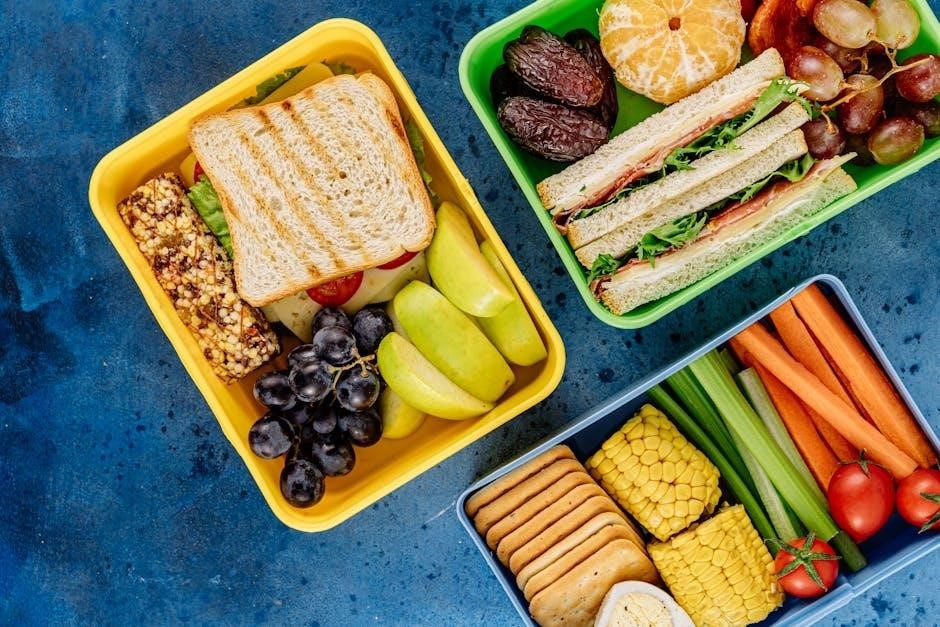
Foods to Avoid in a Pancreatitis Diet
A pancreatitis diet plan PDF stresses avoiding high-fat foods, alcohol, and processed items, as these exacerbate pancreatic inflammation and hinder recovery efforts.
High-Fat Foods: Fried Foods, Fatty Meats, Full-Fat Dairy
A comprehensive pancreatitis diet plan PDF emphatically advises strict avoidance of high-fat foods. This includes all fried items – french fries, fried chicken, and anything deep-fried – as they significantly burden the pancreas. Fatty cuts of meat, like ribs or bacon, are also detrimental. Full-fat dairy products, such as whole milk, cream, and rich cheeses, should be eliminated.
These foods require substantial pancreatic enzyme production for digestion, worsening inflammation and pain. Hidden fats in processed snacks and baked goods also pose a risk. Opting for lean protein and low-fat alternatives is crucial for managing pancreatitis effectively, as detailed in reliable dietary guides.
Alcohol: A Major Pancreatic Irritant
Any pancreatitis diet plan PDF will unequivocally state that complete alcohol abstinence is paramount. Alcohol is a significant irritant to the pancreas, directly contributing to both acute attacks and the progression of chronic pancreatitis. Even moderate consumption can exacerbate inflammation and cause severe damage.
The pancreas lacks the ability to process alcohol efficiently, leading to toxic metabolic byproducts. Avoiding all alcoholic beverages – beer, wine, and spirits – is non-negotiable for effective management. Resources emphasize that sustained abstinence is vital for preventing further pancreatic injury and improving long-term health outcomes.
Processed Foods: Often High in Hidden Fats
A comprehensive pancreatitis diet plan PDF will strongly advise limiting or eliminating processed foods. These items frequently contain substantial amounts of hidden fats, additives, and sodium, all detrimental to pancreatic health. Many processed foods utilize unhealthy fats for texture and flavor, exceeding recommended daily limits.
Examples include pre-packaged snacks, fast food, and commercially baked goods. Carefully reviewing ingredient lists is crucial, as fats are often disguised. Prioritizing whole, unprocessed foods ensures better control over fat intake and supports optimal pancreatic function, aiding in symptom management and recovery.

Nutritional Support and Supplementation
A pancreatitis diet plan PDF often details crucial supplementation, like calcium, vitamin D, and potentially pancreatic enzyme replacement therapy (PERT) for optimal health.
Calcium and Vitamin D Intake
Pancreatitis diet plan PDFs consistently emphasize adequate calcium and vitamin D intake due to the potential for malabsorption linked to pancreatic insufficiency. Chronic pancreatitis can impair the body’s ability to absorb these vital nutrients, leading to deficiencies. Calcium is essential for bone health, while vitamin D aids calcium absorption and supports immune function.
Supplementation is frequently recommended, with dosage guided by individual blood tests and healthcare provider advice. Dietary sources like fortified dairy (if tolerated), leafy greens, and fatty fish should be included where possible. A PDF guide will often provide specific recommendations for daily intake levels to mitigate risks associated with deficiencies, promoting overall well-being during pancreatic disease management.
Pancreatic Enzyme Replacement Therapy (PERT)
Pancreatitis diet plan PDFs often detail the crucial role of Pancreatic Enzyme Replacement Therapy (PERT) for individuals with exocrine pancreatic insufficiency, a common consequence of chronic pancreatitis. PERT supplements the body’s diminished ability to produce enzymes needed for proper digestion, particularly of fats, proteins, and carbohydrates.
These enzymes, taken with meals, improve nutrient absorption and alleviate symptoms like steatorrhea (fatty stools) and abdominal discomfort. A comprehensive PDF guide will explain dosage adjustments based on food intake and symptom severity, emphasizing collaboration with a healthcare professional to optimize PERT effectiveness and ensure adequate nutritional support alongside a tailored diet.

Meal Planning and Snacking Strategies
Pancreatitis diet plan PDFs emphasize regular, smaller meals and nutritious snacks to maintain energy levels and minimize pancreatic workload throughout the day.
Regular Meal Schedule
Pancreatitis diet plan PDFs consistently highlight the importance of a structured eating schedule. Consuming meals at roughly the same times each day helps regulate digestive processes and minimizes pancreatic stimulation. Aim for 5-6 smaller meals rather than three large ones, distributing nutrient intake evenly. This approach reduces the burden on the pancreas, preventing overproduction of digestive enzymes.
Consistent timing also aids in better nutrient absorption and can contribute to more stable blood sugar levels. Many downloadable guides suggest setting specific meal times and sticking to them as closely as possible, even on weekends, to establish a beneficial routine for long-term pancreatic health.
Nutritious Snacks Between Meals
Pancreatitis diet plan PDFs emphasize the value of strategic snacking to maintain energy levels and prevent excessive hunger, which can lead to overeating at mealtimes. Opt for snacks that align with the low-fat, easily digestible principles of the diet. Good choices include small portions of fruit (low-fiber options), a few whole-grain crackers, or a small container of non-fat yogurt.
These snacks should provide sustained energy without heavily taxing the pancreas. Avoid high-fat or sugary snacks, as these can exacerbate symptoms. Regularly spaced, nutritious snacks contribute to consistent nutrient intake and support overall well-being during pancreatic recovery.
Resources for a Pancreatitis Diet Plan PDF
Reliable websites and organizations offer downloadable pancreatitis diet plan PDFs, providing structured guidance for managing your diet effectively and safely.
Reliable Websites and Organizations
Several trusted sources provide comprehensive pancreatitis diet plan PDFs and valuable information. The National Pancreas Foundation (pancreasfoundation.org) offers detailed dietary guidelines and resources for patients and caregivers. Mayo Clinic (mayoclinic.org) presents clear, concise information on managing pancreatitis through diet, often including downloadable materials;
Additionally, the Cleveland Clinic (my.clevelandclinic.org) provides expert-reviewed articles and potential diet plan resources. Registered Dietitian Nutritionists (RDNs) specializing in gastroenterology can also offer personalized PDF plans. Always verify information with your healthcare provider before implementing any dietary changes, ensuring the plan aligns with your specific needs and medical history. These organizations prioritize evidence-based guidance for optimal pancreatic health.
Finding Printable Diet Guides
Locating a pancreatitis diet plan PDF for easy reference is often a priority. Many hospital websites and healthcare systems offer downloadable guides tailored to different stages of the condition. Searching for “pancreatitis diet PDF” yields results from reputable sources like university medical centers and patient advocacy groups.
Ensure the PDF is created by qualified healthcare professionals – Registered Dietitians are ideal. Look for guides detailing food lists (include/avoid), sample meal plans, and portion sizes. Printable formats facilitate grocery shopping and meal preparation. Remember to discuss any downloaded plan with your doctor to personalize it for your specific needs and ensure it complements your overall treatment.