

Understanding the Victorian Disabled Parking Permit Scheme
Victorian disabled parking permits greatly assist individuals facing mobility challenges, ensuring easier access to vital services and locations throughout the state.
These permits facilitate convenient parking, promoting independence and participation in community life for eligible Victorian residents.
Understanding the scheme’s nuances, including application processes and usage guidelines, is crucial for both applicants and the general public.
What is the Disabled Parking Permit Scheme?
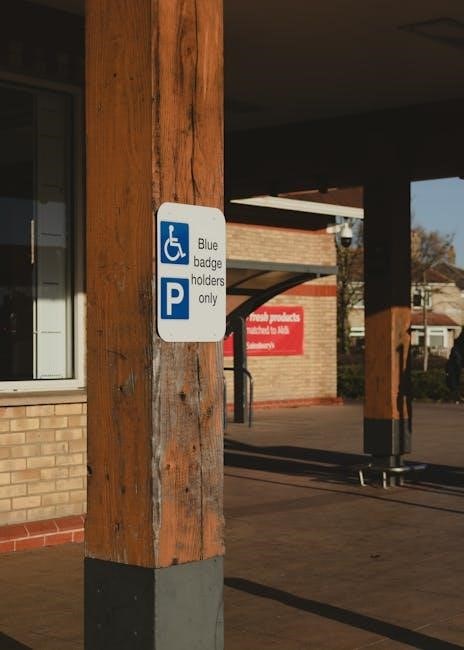
The Victorian Disabled Parking Permit Scheme is a state-wide initiative designed to enhance parking accessibility for individuals with significant mobility impairments. It allows eligible residents and visitors to utilise designated disabled parking spaces, bringing parking closer to destinations.
These spaces are strategically located near building entrances and essential facilities, reducing the distance individuals with disabilities must travel. The scheme aims to promote independence and participation in everyday activities, fostering a more inclusive community.
Permits are issued based on medical assessment, confirming a diagnosed condition that substantially limits mobility; The scheme isn’t about convenience, but about enabling access for those who genuinely require it. It’s a vital support system, ensuring equitable access to public spaces and services across Victoria.
Obtaining a permit involves a straightforward application process, requiring supporting medical documentation and proof of eligibility.
Eligibility Criteria for a Victorian Permit
To qualify for a Victorian Disabled Parking Permit, applicants must demonstrate a significant and permanent mobility impairment that substantially limits their ability to walk. This isn’t limited to wheelchair users; individuals with conditions affecting stamina, balance, or coordination may also be eligible.
A medical professional must assess the applicant and complete a specific section of the application form, detailing the nature and severity of the disability; The assessment focuses on the impact of the condition on walking distances, even with the aid of mobility devices.

Applicants must also be a resident of Victoria or demonstrate a genuine need for a permit while visiting the state. Temporary visitors can apply for short-term permits. The scheme prioritizes those with conditions that create substantial difficulties accessing essential services and participating in community life.
Eligibility is strictly assessed based on medical evidence, ensuring the scheme serves those with genuine need.

Types of Victorian Disabled Parking Permits
Victoria offers several permit types, including permanent permits for long-term conditions, temporary permits for short-term needs, and the Australian Disability Parking Permit (ADPP) for interstate travel.
Permanent Disabled Parking Permits
Permanent Disabled Parking Permits in Victoria are designed for individuals with enduring, significant mobility impairments. These permits are typically issued to those whose disability is likely to be lifelong and substantially impacts their ability to walk.
Eligibility requires demonstrating a consistent and severe limitation in mobility, often through a comprehensive medical assessment. Once approved, a permanent permit allows the holder to utilize designated disabled parking spaces across Victoria, providing convenient access to essential services and community activities.
These permits are valid for a period, usually several years, and require periodic renewal to confirm the ongoing eligibility criteria are still met. The application process involves submitting detailed medical documentation and proof of identity and residency, ensuring a thorough evaluation of the applicant’s needs.
Holding a permanent permit significantly enhances independence and quality of life for individuals with long-term mobility challenges.
Temporary Disabled Parking Permits
Temporary Disabled Parking Permits in Victoria cater to individuals experiencing short-term mobility restrictions due to an injury, illness, or medical treatment. These permits offer a crucial support system during periods of reduced mobility, facilitating access to medical appointments, rehabilitation services, and daily necessities.
Unlike permanent permits, temporary permits are issued for a specified duration, typically ranging from a few weeks to several months, aligning with the expected recovery timeframe. The application process requires a medical professional to certify the temporary nature of the disability and its impact on mobility.
Applicants must provide supporting documentation, including medical certificates and proof of identity and residency. These permits are designed to provide immediate assistance while individuals regain their mobility, promoting independence during challenging times.
Renewal is possible if the medical condition persists, requiring updated medical assessments.
Australian Disability Parking Permit (ADPP)
The Australian Disability Parking Permit (ADPP) is a nationally recognised permit allowing individuals with significant mobility impairments to access designated parking spaces across Australia, including Victoria. This reciprocal arrangement ensures consistent accessibility for permit holders when travelling interstate or within Victoria.
Previously known as the Victorian Disabled Parking Permit, the transition to the ADPP streamlines the process for residents and visitors alike. Eligibility criteria remain consistent, focusing on the severity of the mobility impairment and its impact on daily activities.
Victorian residents who previously held a Victorian permit are automatically transitioned to the ADPP upon renewal. Applying for an ADPP involves submitting a comprehensive application, including a medical assessment confirming the ongoing need for designated parking.
The ADPP promotes inclusivity and independence for individuals with disabilities.

Applying for a Disabled Parking Permit in Victoria
Applying for a permit requires a detailed process, including completing an official application form and providing supporting medical documentation to demonstrate eligibility.
Careful preparation ensures a smoother and faster application review by the Victorian authorities.
Where to Obtain the Application Form
Obtaining the necessary application form for a Victorian Disabled Parking Permit is straightforward, offering multiple convenient access points for prospective applicants. The primary method is downloading the form directly from the VicRoads (now the Department of Transport) website. A simple online search for “Victorian Disabled Parking Permit Application Form” will lead you to the official downloadable PDF.
Alternatively, physical copies of the application form are available at most VicRoads customer service centres located throughout Victoria. These centres provide assistance and can answer preliminary questions regarding the application process. You can locate the nearest customer service centre via the Department of Transport website’s branch locator tool.
Some local councils and healthcare providers may also stock application forms for distribution, though availability can vary. It’s always best to confirm with the specific council or provider beforehand. Ensure you always use the most current version of the form, as revisions are occasionally made to reflect policy updates.
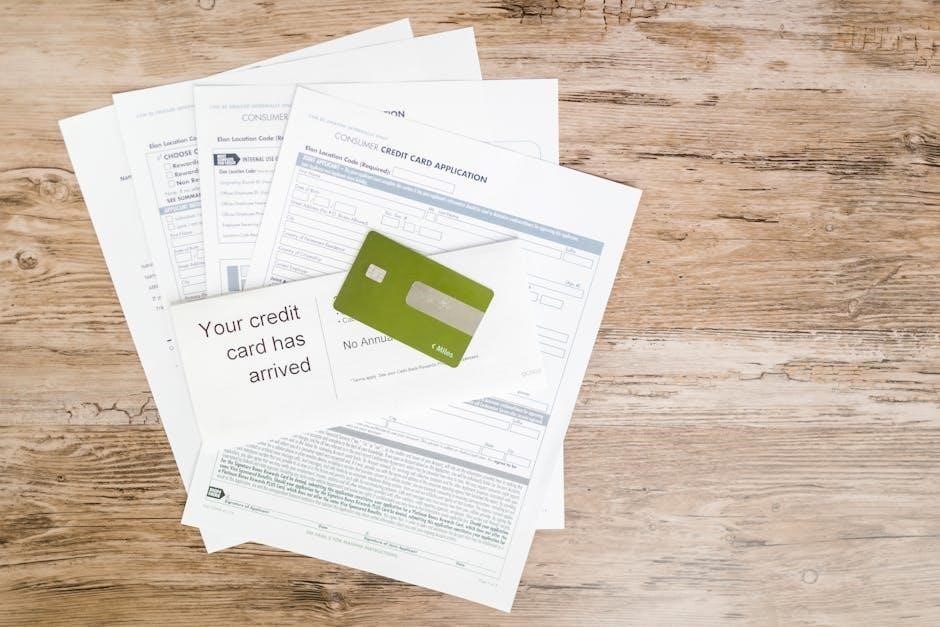
Completing the Application Form ⎯ Section by Section
The Victorian Disabled Parking Permit application form requires meticulous completion to avoid delays. Section 1 gathers personal details – name, address, date of birth, and contact information – ensuring accuracy is paramount. Section 2 focuses on your medical condition; clearly describe the nature of your disability and how it impacts your mobility, specifically when accessing parking facilities.
Section 3 requests details about your vehicle(s), including registration numbers. It’s crucial to list all vehicles the permit might be used in. Section 4 is a declaration, requiring your signature and date, confirming the information provided is truthful.
Pay close attention to any specific instructions accompanying each section. Use black or blue pen for legibility. Avoid abbreviations and ensure all fields are fully completed. Incomplete or unclear applications will be returned, prolonging the process. Double-check all entries before submitting.
Required Supporting Documentation
Alongside the completed application form, several supporting documents are essential for a successful Victorian Disabled Parking Permit application; A completed Medical Assessment Form (Section A) – signed by your treating medical practitioner – is mandatory, detailing the severity and impact of your disability on your mobility.
Proof of Identity is required, such as a current driver’s license, passport, or other government-issued photo identification. Furthermore, you must provide proof of Victorian residency, like a recent utility bill, bank statement, or lease agreement displaying your address.
Ensure all photocopies are certified as true copies. Original documents should not be submitted unless specifically requested. Failure to provide the necessary documentation will result in application delays or rejection. Carefully review the application guidelines for a comprehensive list.
Medical Assessment Form – Section A
Section A of the Medical Assessment Form is the cornerstone of your application, requiring detailed completion by your registered medical practitioner. This section necessitates a thorough evaluation of your functional mobility, specifically how your disability impacts your ability to walk, even with the aid of mobility devices.
The practitioner must clearly articulate the nature of your condition, its severity, and its duration. They should outline the distance you can walk before requiring rest, and whether your condition is permanent or temporary.
Specific details regarding any relevant medical diagnoses are crucial. The form must be signed and dated by the medical professional, including their registration number. Incomplete or inadequately detailed assessments will likely cause delays or rejection of your application.
Proof of Identity Documents
Establishing your identity is a critical step in the application process for a Victorian Disabled Parking Permit. You must provide original or certified copies of documents verifying your full legal name, date of birth, and current residential address.
Acceptable forms of identification include a current Australian driver’s license, a passport, or a birth certificate accompanied by a separate proof of address.
If your current address differs from that on your primary identification, you’ll need to submit a recent utility bill (gas, electricity, water), a bank statement, or a lease agreement. Photocopies are generally not accepted unless they are certified as true copies by an authorized person, such as a Justice of the Peace.
Proof of Victorian Residency
Demonstrating Victorian residency is essential for eligibility. Applicants must furnish official documentation confirming their primary place of residence within Victoria. This ensures the permit is issued to individuals genuinely residing within the state.
Acceptable proof includes a recent utility bill (electricity, gas, water) displaying your name and Victorian address, a current Victorian driver’s license, or a bank statement issued to your Victorian address.
A lease agreement or a rates notice from a local council are also commonly accepted. Documents must be current, typically within the last three months, to validate residency. Providing multiple forms of proof can strengthen your application and expedite the processing time.
The Application Process – A Step-by-Step Guide
Completing and submitting the application, alongside required documentation, initiates the process. Expect assessment, potential follow-up, and ultimately, permit approval or notification of outcome.
Submitting Your Application
Once the application form is meticulously completed and all necessary supporting documentation is gathered – including the medical assessment and proof of identity/residency – the next crucial step is submission. Applications can be submitted via mail to the designated address specified on the form, or, increasingly, through an online portal offered by the Department of Transport.
For mailed applications, it’s highly recommended to use registered post to ensure proof of delivery. Online submissions generally offer immediate confirmation of receipt. Regardless of the method chosen, retain a copy of your completed application and all supporting documents for your records.
Be aware that incomplete applications will experience significant delays or may be rejected outright. Double-check everything before submitting to avoid unnecessary setbacks in obtaining your permit. Accurate and thorough preparation is key to a smooth application process.
Processing Times and What to Expect
Following submission of your application, processing times can vary. Currently, the Department of Transport advises applicants to anticipate a processing period of approximately 4-6 weeks, though this can be subject to change depending on application volume and complexity. During this time, your application will undergo review by medical assessors and verification of provided documentation.
You may receive correspondence requesting additional information if needed, so regularly check your mail or the email address provided on your application. It’s important to respond promptly to any such requests to avoid delays.
Expect a notification – either by mail or email – regarding the outcome of your application. If approved, this notification will detail the permit issuance process. Patience is key during this period, and proactive follow-up should be reserved for instances exceeding the stated processing timeframe.
Permit Approval and Issuance
Upon successful application review, you will receive an official notification outlining the permit issuance details. The approved permit, typically a hang tag displaying your unique permit number and expiry date, will be mailed directly to your registered address. Ensure this address is current and accurate on your application form.
Please allow 7-10 business days for permit delivery after receiving the approval notification. Simultaneously, you’ll receive instructions regarding the correct display of the permit within your vehicle – typically hanging from the rearview mirror.
Remember to carefully review all accompanying documentation, including information on permit usage rules and regulations. Familiarize yourself with these guidelines to ensure compliant and responsible use of your newly issued Victorian Disabled Parking Permit.
Using Your Disabled Parking Permit
Proper permit display is essential when parking in designated disabled spaces, ensuring accessibility for those with mobility needs throughout Victoria.
Always adhere to the specific rules and regulations governing permit usage to avoid potential fines or misuse consequences.
Displaying the Permit Correctly
Ensuring your Victorian Disabled Parking Permit is clearly visible is paramount when utilizing designated parking spaces. The permit must be hung from the rearview mirror, facing forward, with all details unobstructed. It’s crucial the permit isn’t covered by anything – no stickers, decorations, or other items should obscure the information.
If your vehicle doesn’t have a rearview mirror, the permit should be displayed prominently on the dashboard, again ensuring all details are visible to an enforcement officer. Incorrect display can result in a fine, even if you are legitimately entitled to use the space.
Remember, the permit is linked to the individual, not the vehicle, so it can be transferred between vehicles as needed. However, it must always be displayed correctly in whichever vehicle is being used. Regularly check the permit for damage or fading, as a damaged permit may not be recognized.

Rules and Regulations for Using Disabled Parking Spaces
Disabled parking spaces are strictly for the use of vehicles transporting individuals with a valid Victorian Disabled Parking Permit. The permit holder must be entering or exiting the vehicle, or actively assisting someone who is. Using the space for any other purpose is a misuse of the system.
Permits are non-transferable – meaning you cannot allow someone else to use your permit or the space if you are not present. Time limits may apply in some areas, so always check signage.
Be mindful of others; avoid blocking access aisles or ramps. Respect the needs of other permit holders and ensure spaces remain available for those who genuinely require them. Familiarize yourself with local council regulations, as some areas may have specific rules regarding disabled parking.
Penalties for Misuse of the Permit
Misuse of a Victorian Disabled Parking Permit carries significant penalties, reflecting the seriousness of depriving those with genuine need access to essential parking. Unauthorized use, including allowing others to use your permit, can result in substantial fines.
Current penalties can exceed $220, and may also include the suspension or cancellation of your permit. Repeat offenders face even harsher consequences.
Furthermore, falsely claiming eligibility for a permit is a criminal offense, potentially leading to prosecution. Parking enforcement officers actively monitor disabled parking spaces, and are authorized to issue infringement notices. Protect yourself and respect the system by adhering to all rules and regulations.

Renewing and Replacing Your Permit
Permit renewal or replacement processes are straightforward, ensuring continued access for eligible individuals. Timely action prevents service interruption, maintaining parking convenience and independence.
Renewing a Temporary Permit
Temporary Disabled Parking Permits in Victoria require proactive renewal before their expiration date to maintain uninterrupted access to designated parking spaces. The renewal process generally mirrors the initial application, necessitating a completed application form and updated medical assessment.
Applicants should obtain the latest renewal form from the VicRoads website or a local VicRoads customer service centre. The medical assessment must confirm the ongoing eligibility criteria are still met, demonstrating a continuing need for the permit.
Allow sufficient processing time for the renewal application, as using an expired permit can result in fines. It’s advisable to submit the renewal application well in advance of the expiry date. Online renewal options may be available, streamlining the process for eligible applicants. Regularly checking the VicRoads website for updates is recommended.
Replacing a Lost or Stolen Permit
If a Victorian Disabled Parking Permit is lost or stolen, prompt action is crucial to prevent misuse and regain parking privileges. Report the loss or theft immediately to VicRoads, either online through the MyVicRoads portal or by contacting their customer service centre.
A statutory declaration may be required, confirming the circumstances of the loss or theft. Once reported, VicRoads will initiate the process of issuing a replacement permit. A replacement fee may apply, though this varies depending on individual circumstances.
The replacement permit will typically have a new permit number. It’s important to destroy the original permit if it’s later recovered to avoid any potential for fraudulent use. Maintaining a record of your permit number can expedite the replacement process.
Resources and Further Information
Victorian government websites and the Department of Transport offer comprehensive details regarding disabled parking schemes, applications, and related support services.
Direct contact with the Department provides personalized assistance and clarifies any specific queries regarding permit eligibility or processes.
Victorian Government Website – Parking Permits
The Victorian Government’s dedicated website is the primary hub for all information concerning Disabled Parking Permits. It provides a user-friendly platform to download the official application form, readily available in accessible formats.
Detailed guides outline the eligibility criteria, types of permits (permanent, temporary, and Australian Disability Parking Permit), and the necessary supporting documentation required for a successful application.
The website features a comprehensive FAQ section addressing common queries, clarifying the application process, and explaining the rules and regulations surrounding permit usage.
Furthermore, it offers links to relevant legislation, updates on policy changes, and contact information for the Department of Transport should applicants require personalized assistance.
Navigating this online resource is the first crucial step for anyone seeking a free Disabled Parking Permit in Victoria.
Contacting the Department of Transport
For personalized assistance regarding the Victorian Disabled Parking Permit scheme, contacting the Department of Transport directly is highly recommended. They offer multiple channels for inquiries, ensuring accessibility for all applicants.
A dedicated phone line is available during business hours, staffed by knowledgeable representatives who can address specific questions about eligibility, application procedures, and required documentation.
Email support provides a convenient alternative for non-urgent inquiries, allowing applicants to submit detailed questions and receive comprehensive responses.
The Department of Transport also maintains regional service centers where individuals can receive face-to-face assistance with their applications.
Their website provides up-to-date contact details, including phone numbers, email addresses, and locations of service centers, facilitating seamless communication for a smooth application process.