
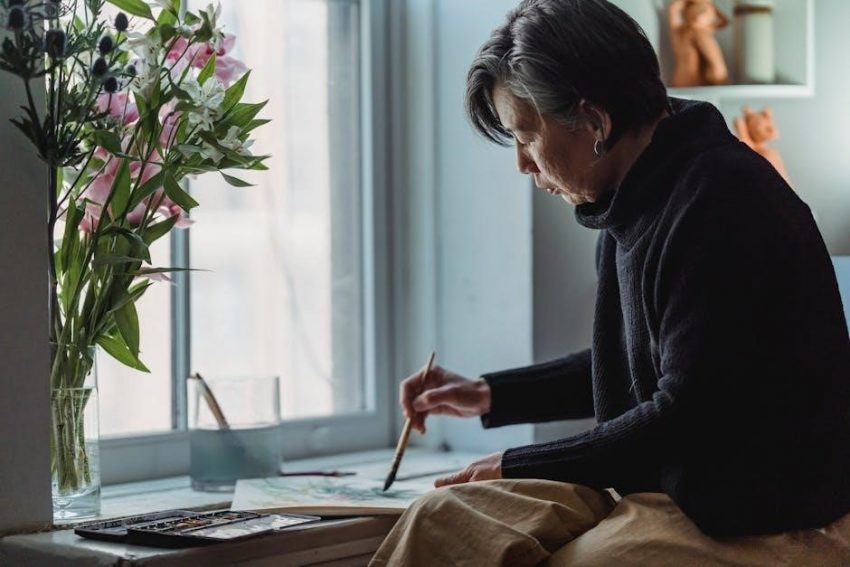
Watercolor painting offers a unique and expressive medium, readily accessible through numerous resources.
Beginners can find comprehensive guides, including detailed watercolor techniques PDFs,
to establish a strong foundation in modern watercolor painting and explore fundamental skills.
These resources cover essential techniques like ‘wet-into-wet’ versus ‘dry brush’ approaches,
providing practical tips and insights to overcome common frustrations encountered during the learning process.
Furthermore, they delve into the basics, introducing core techniques for aspiring artists.
Exploring these materials will unlock trade-secrets not typically taught in traditional art colleges,
empowering you with proficient watercolor techniques and a deeper understanding of the art form.
Downloadable PDFs and free tutorials offer a convenient pathway to mastering this beautiful art.
What is Watercolor Painting?
Watercolor painting utilizes pigments suspended in a water-based solution, creating translucent washes of color. Unlike opaque mediums like oil or acrylic, watercolor relies on the reflectivity of the white paper to achieve brightness, resulting in a luminous quality. This characteristic makes it a uniquely expressive medium, favored for its delicate and ethereal effects.
Learning resources, including readily available watercolor techniques PDFs, emphasize the importance of understanding water control and pigment interaction. These guides often detail how to achieve varying levels of transparency and build layers of color. The beauty of watercolor lies in its unpredictable nature; embracing happy accidents is key to mastering the technique.
Beginner-friendly PDFs often break down fundamental concepts, from basic brushstrokes to color mixing, providing a solid foundation for artistic exploration. These resources highlight that watercolor isn’t just about replicating reality, but about capturing mood and atmosphere through fluid washes and delicate details. It’s a journey of experimentation and discovery!
Brief History of Watercolor
Watercolor’s origins trace back to cave paintings, with early examples found in Paleolithic European sites. However, its development as a distinct art form began with illuminated manuscripts in medieval times. During the Renaissance, watercolor was primarily used for sketches and studies, serving as a preparatory tool for larger works.
The 18th and 19th centuries witnessed watercolor’s rise to prominence, particularly in Britain, where artists embraced its portability for plein air painting – painting outdoors. Botanical illustration also flourished, demanding precise watercolor techniques, often documented in instructional PDFs.
Modern artists continued to push boundaries, exploring abstract and expressive applications. Today, numerous online resources and downloadable watercolor techniques PDFs make this historical art form accessible to all. These resources build upon centuries of artistic innovation, offering a pathway to understanding and appreciating watercolor’s rich heritage.
Essential Watercolor Supplies
Watercolor success hinges on quality materials, detailed in helpful watercolor techniques PDFs.
Good supplies won’t hinder your progress, allowing you to focus on mastering fundamental skills and techniques.
Watercolor Paints: Types and Quality
Watercolor paints come in various forms, each impacting your technique and final artwork.
Watercolor techniques PDFs often detail these differences, helping beginners make informed choices.
Tube watercolors offer richer pigmentation and are ideal for mixing larger washes, while pan watercolors provide convenience and portability.
Quality significantly impacts the vibrancy and longevity of your paintings.
Student-grade paints contain more fillers, resulting in less intense colors and potentially fading over time.
Artist-grade paints boast higher pigment concentrations, offering superior lightfastness and color brilliance.
Understanding pigment properties, as outlined in many instructional PDFs, is crucial.
Single-pigment paints allow for cleaner color mixing, while multiple-pigment paints can lead to muddiness.
Experimenting with different brands and types will help you discover what best suits your style and preferred watercolor techniques.
Watercolor Paper: Choosing the Right Weight and Texture
Selecting the appropriate watercolor paper is fundamental to successful painting, a point emphasized in many watercolor techniques PDFs. Paper weight, measured in pounds (lbs) or grams per square meter (gsm), determines its durability and ability to withstand water. Lighter weights (140lb/300gsm) are suitable for sketching and practice, while heavier weights (300lb/640gsm) minimize buckling.
Texture, or ‘tooth,’ also plays a vital role. Cold press paper features a slightly textured surface, versatile for various techniques. Hot press paper is smooth, ideal for detailed work and washes. Rough paper has a pronounced texture, perfect for expressive landscapes.
Good materials, as highlighted in beginner guides, shouldn’t hinder your progress. Investing in quality paper prevents frustration and allows the watercolor to flow and blend beautifully, enhancing your exploration of different watercolor techniques.
Brushes for Watercolor: Shapes and Sizes
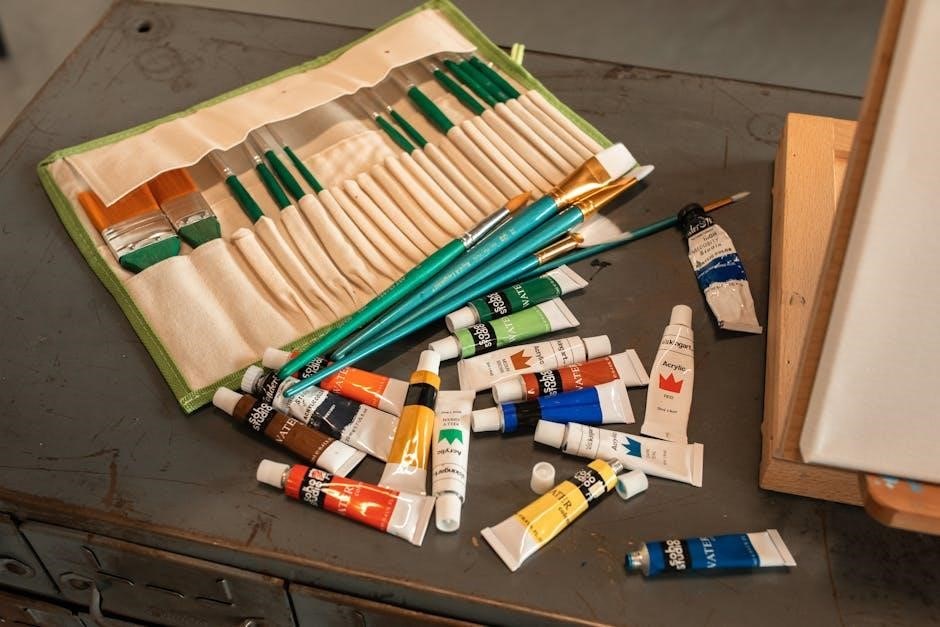
Watercolor techniques PDFs consistently emphasize the importance of brush selection. Brushes significantly impact the final result, influencing everything from delicate details to broad washes. Round brushes are versatile, excellent for detail work, lines, and washes when loaded with paint.
Flat brushes are ideal for covering larger areas, creating sharp edges, and laying down washes. Filbert brushes combine the benefits of both, offering rounded edges for softer strokes. Brush sizes range from tiny detail brushes to large mop brushes.
Beginner guides suggest starting with a small selection of round and flat brushes in various sizes. Quality brushes, though an investment, hold water and paint well, contributing to smoother application and better control of watercolor techniques.
Palette and Other Necessary Tools
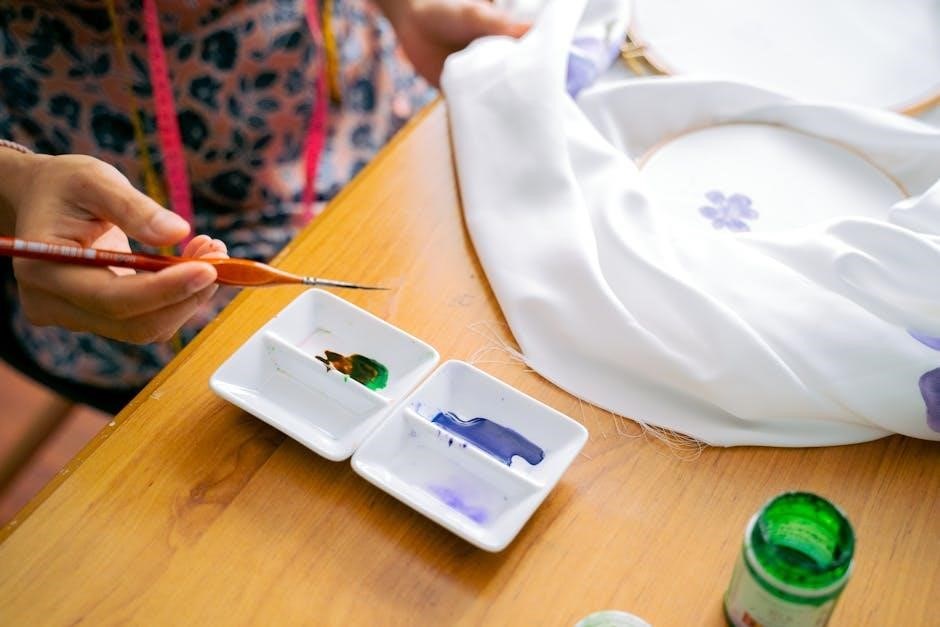
Watercolor techniques PDFs highlight the necessity of a palette for mixing colors. Palettes come in various materials – plastic, ceramic, or even porcelain – each offering different benefits. Ceramic palettes are favored for their smooth surfaces and ease of cleaning, crucial for maintaining color purity.
Beyond the palette, essential tools include a water container (or two – one for clean water, one for rinsing), paper towels for blotting excess water, and masking tape to secure the paper. Masking fluid is also frequently mentioned in guides for preserving white areas.
Many resources emphasize that good materials support successful painting. Investing in quality tools, alongside learning effective watercolor techniques, minimizes frustration and enhances the overall painting experience, allowing for greater artistic expression.
Basic Watercolor Techniques
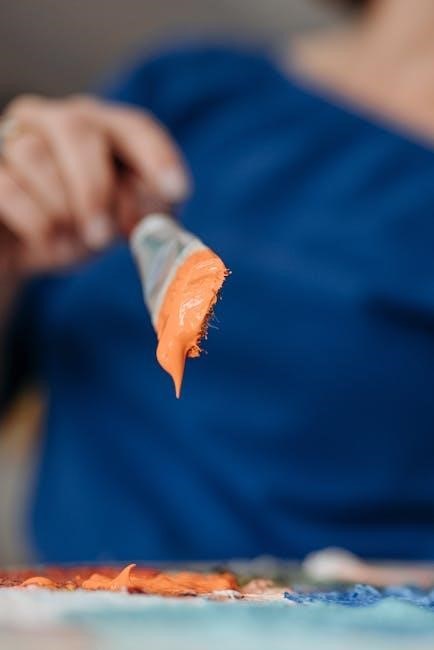
Watercolor techniques PDFs introduce fundamental methods like wet-on-wet and dry brush, essential for beginners.
Mastering these core skills unlocks a world of expressive possibilities in watercolor painting.
Wet-on-Wet Technique
The wet-on-wet technique, a cornerstone of watercolor painting, involves applying wet paint to already dampened paper.
Many watercolor techniques PDFs highlight this method as crucial for beginners, emphasizing its ability to create soft, diffused effects.
This approach allows colors to blend seamlessly, resulting in atmospheric washes and organic shapes, ideal for skies and backgrounds.
The key lies in controlling the paper’s moisture level; too wet, and colors will bleed uncontrollably, while too dry, and the effect is lost.
Tutorials often demonstrate how to achieve this balance, showcasing how different brushstrokes and pigment concentrations interact on wet surfaces.
Experimentation is encouraged, as the unpredictable nature of this technique fosters creativity and unique results.
PDF guides frequently illustrate how wet-on-wet can be used for layering, building depth and complexity with each successive wash.
It’s a foundational skill for achieving luminous and expressive watercolor paintings.
Wet-on-Dry Technique
The wet-on-dry technique, conversely, involves applying wet paint to dry paper. Watercolor techniques PDFs often present this as a contrasting method to wet-on-wet, offering greater control and precision. This approach yields sharp edges and defined shapes, making it ideal for detailed work and creating distinct forms.
Unlike the fluidity of wet-on-wet, wet-on-dry allows for layering without significant blending, enabling artists to build up color intensity gradually. Tutorials emphasize the importance of brush control and paint consistency to avoid harsh lines or uneven washes. It’s a technique favored for rendering textures and intricate details.
Many guides demonstrate how to combine wet-on-dry with other techniques, such as lifting and glazing, to achieve varied effects. Mastering this fundamental skill is essential for achieving realistic and expressive watercolor paintings.
Dry Brush Technique
The dry brush technique, frequently detailed in watercolor techniques PDFs, involves using a brush with very little water. This creates a textured, broken effect, perfect for depicting rough surfaces like wood, stone, or foliage. It’s a versatile method for adding visual interest and simulating realistic textures.
Tutorials emphasize using a stiff-bristled brush and dragging it lightly across the paper’s surface. The paint adheres only to the raised areas of the paper’s texture, leaving white space between the brushstrokes. This technique requires practice to control the amount of paint and pressure applied.
Many resources demonstrate how to layer dry brush strokes to build up depth and complexity. It’s often combined with other techniques to enhance the overall painting, offering a unique expressive quality.
Lifting and Blending
Lifting and blending are crucial skills, thoroughly explained in many watercolor techniques PDFs, for achieving soft transitions and correcting mistakes. Lifting involves removing paint from the paper using a clean, damp brush or a paper towel, creating highlights or adjusting values.
Blending, conversely, aims to smoothly merge colors together while the paint is still wet. This is achieved by gently working a clean, damp brush along the edges of the colors, softening the boundaries. Mastering these techniques requires understanding watercolor’s fluidity.
Resources often demonstrate using a ‘lifting pickup’ technique with a clean brush to gently remove color, or blotting with a paper towel for a more textured effect. Successful blending relies on controlling water content and brush pressure.
Advanced Watercolor Techniques
Advanced watercolor techniques, detailed in comprehensive PDFs, unlock artistic potential through layering, glazing, and gradient creation.
Mastering these skills elevates paintings, offering nuanced depth and sophisticated color control for experienced artists.
Layering and Glazing
Layering and glazing are fundamental advanced watercolor techniques, extensively detailed within downloadable PDFs for dedicated artists. Layering involves applying successive washes of color, allowing each to dry before adding the next, building depth and complexity. Glazing, a specific type of layering, utilizes transparent washes to modify underlying colors, creating luminous effects and subtle shifts in hue.
These techniques aren’t about simply piling on paint; they demand patience and understanding of how colors interact. PDFs often demonstrate how to achieve smooth transitions and avoid muddying colors by carefully controlling water content and pigment concentration. Mastering glazing allows artists to create realistic shadows, highlights, and atmospheric perspective. It’s a cornerstone of achieving professional-level watercolor paintings, offering control and nuance beyond basic washes.
Resources emphasize the importance of light washes for glazing, preserving the luminosity of previous layers. Experimentation with different color combinations is encouraged, as is understanding the properties of each pigment.
Color Mixing Fundamentals
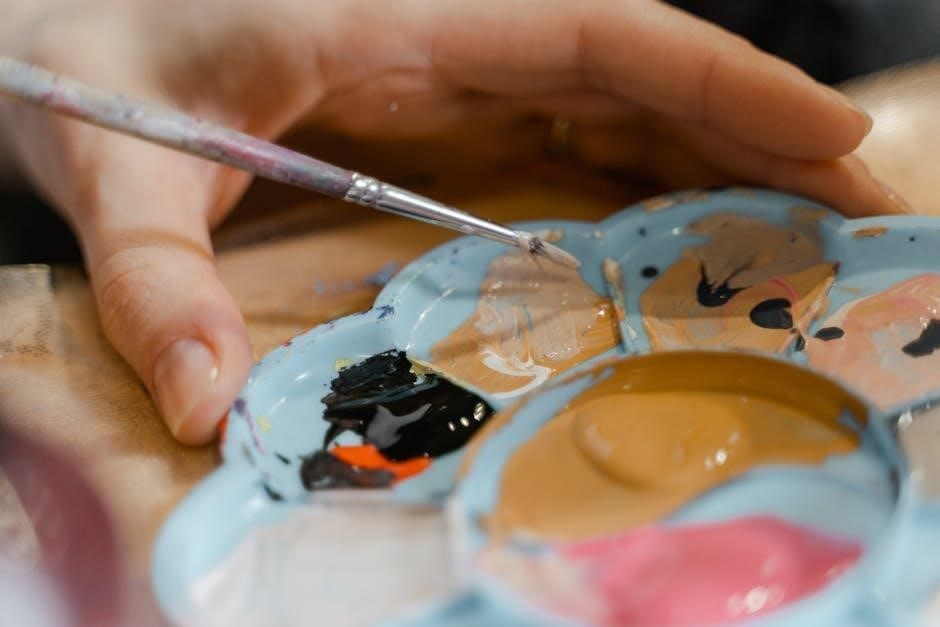
Color mixing is central to watercolor painting, and comprehensive watercolor techniques PDFs dedicate significant space to this skill. Understanding the color wheel, primary, secondary, and tertiary colors is crucial. These resources detail how to create a vast range of hues from a limited palette, emphasizing the importance of clean water and quality pigments for vibrant results.
PDF guides often include color charts demonstrating mixes, alongside explanations of color temperature – warm versus cool – and how it impacts a painting’s mood. They also cover value, the lightness or darkness of a color, and its role in creating depth and form. Learning to mix grays and browns effectively, rather than relying on pre-mixed shades, is frequently highlighted.
Successfully mixing colors requires practice and observation, and these PDFs provide exercises to develop this essential skill.
Creating Gradients
Watercolor techniques PDFs consistently emphasize mastering gradients, a foundational skill for achieving realistic and atmospheric effects. Gradients involve a smooth transition between colors or values, often used for skies, landscapes, and creating form. These guides detail several methods, including the wet-on-wet technique, where paint is applied to damp paper, allowing colors to blend seamlessly.
They explain the importance of controlling water-to-paint ratios and tilting the paper to encourage natural blending. Another technique involves layering washes, gradually building up color intensity. PDFs often include step-by-step demonstrations and practice exercises to help artists develop control and consistency.
Successfully creating gradients requires patience and understanding how watercolor behaves, and these resources provide the knowledge to achieve stunning results.
Masking Techniques
Watercolor techniques PDFs frequently dedicate sections to masking, a crucial method for preserving white areas or intricate details within a painting. Masking fluid, also known as liquid frisket, is a latex-based solution applied to the paper before painting, acting as a temporary barrier against the watercolor. These guides demonstrate its application using various tools – brushes, pens, or even silicone shapers – for precise control.
PDFs detail proper application and removal techniques, emphasizing the importance of fully drying the masking fluid before painting to prevent smudging. They also explore alternative masking materials like tape or stencils. Mastering masking allows artists to create sharp edges, highlights, and complex compositions with greater ease and precision.
These resources showcase how masking unlocks creative possibilities within watercolor painting.
Specific Watercolor Subjects
Watercolor techniques PDFs often extend beyond basics, offering focused guidance on painting specific subjects like landscapes, florals, skies, and even portraits.
These resources demonstrate how to adapt fundamental techniques to capture the unique characteristics of each subject matter effectively.
Painting Landscapes with Watercolor
Watercolor techniques PDFs dedicated to landscapes often emphasize layering and glazing to build depth and atmosphere. Mastering these techniques allows artists to convincingly portray distant mountains, lush foliage, and expansive skies;
Beginners will find tutorials focusing on wet-on-wet techniques for soft, atmospheric backgrounds, contrasted with dry brush methods for detailing textures like rocks and tree bark. Many PDFs demonstrate how to create gradients to represent light and shadow across rolling hills or vast plains.
Furthermore, these resources often cover color mixing specifically for landscape palettes – achieving realistic greens, browns, and blues. Learning to lift color strategically is crucial for suggesting highlights and creating a sense of luminosity within the landscape. Detailed step-by-step guides help translate complex scenes onto paper with confidence.
Painting Flowers and Botanicals
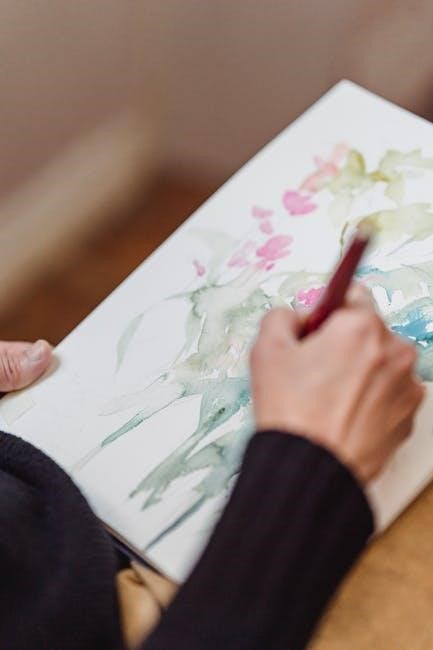
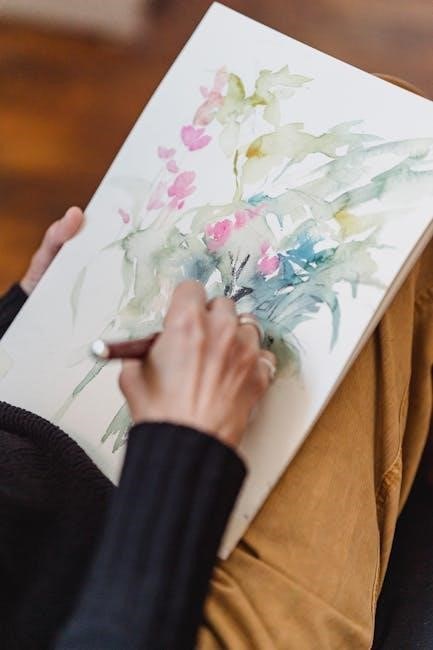
Watercolor techniques PDFs focused on florals often prioritize delicate washes and precise detailing. Mastering layering is key to building up petal forms and capturing subtle color variations within blossoms.
Beginners will benefit from tutorials demonstrating wet-on-wet techniques for soft, diffused edges, ideal for representing petals, alongside dry brush work for defining leaf veins and stems. Many resources emphasize careful observation of botanical structures.
Color mixing guides specific to floral palettes – achieving vibrant reds, yellows, and purples – are frequently included. Lifting techniques are vital for creating highlights and suggesting the translucency of petals. Step-by-step instructions guide artists through painting simple leaves and flowers, building towards more complex botanical illustrations.
Painting Skies and Clouds
Watercolor techniques PDFs dedicated to skies and clouds heavily feature wet-on-wet methods for achieving soft, atmospheric effects. Gradients are crucial, transitioning seamlessly between blues, purples, and pinks to depict varying light conditions.
Lifting color is essential for creating cloud formations – suggesting fluffy cumulus or wispy cirrus. Many tutorials demonstrate techniques for blending colors directly on the paper, avoiding harsh lines and promoting a natural look.
Resources often cover masking techniques to preserve highlights and create defined edges around clouds. Understanding color mixing for realistic sky tones – incorporating grays and subtle hues – is also emphasized. These PDFs guide artists through building depth and dimension in their sky paintings.
Painting Portraits with Watercolor
Watercolor techniques PDFs focused on portraiture emphasize layering and glazing to build skin tones gradually. Achieving realistic complexions requires careful color mixing and understanding of light and shadow.
Many resources detail techniques for painting eyes, capturing their depth and expression. Lifting and blending are vital for softening edges and creating subtle transitions. Mastering these skills is crucial for portraying likeness and emotion.
PDF guides often cover approaches to painting hair, demonstrating how to suggest texture and volume with delicate brushstrokes. They also address common challenges like avoiding muddy colors when layering, and maintaining luminosity in watercolor portraits. These resources provide a structured path to portrait mastery.
Resources for Learning Watercolor
Watercolor techniques PDFs, free online tutorials, and comprehensive books offer accessible learning paths. Explore downloadable guides and courses to build skills effectively!
Free Online Watercolor Tutorials
Numerous online platforms provide free watercolor tutorials, perfect for beginners seeking to grasp fundamental techniques. Nicki Traikos’s “life i design” offers a curated collection, complete with downloadable PDFs, guiding you through initial steps like mixing colors and practicing simple floral and leaf studies.
These tutorials often cover essential concepts, such as differentiating between ‘wet-on-wet’ and ‘dry brush’ methods, providing a practical understanding of how water interacts with the paint. Many resources emphasize building a solid foundation, addressing common challenges and frustrations new watercolorists encounter.
Accessing these free resources allows aspiring artists to experiment and learn at their own pace, utilizing readily available materials and building confidence before investing in more advanced courses or supplies. They are an excellent starting point for anyone eager to explore the world of watercolor painting.
Recommended Watercolor Books and PDFs
For a more structured learning experience, several watercolor books and downloadable PDFs are highly recommended. Resources like “Beginning Watercolor: Tips and Techniques for Learning to Paint in Watercolor” (PDFDrive.com) offer comprehensive guidance, covering essential techniques and principles for beginners.
These materials often delve deeper into specific aspects of watercolor painting, providing detailed explanations and step-by-step instructions. They can supplement free online tutorials, offering a more in-depth understanding of color theory, brush control, and paper selection.
Investing in a quality book or PDF can be particularly beneficial for those seeking a self-paced learning approach. They provide a valuable reference point and allow artists to revisit techniques and concepts as needed, fostering continuous improvement and skill development.
Watercolor Courses and Workshops
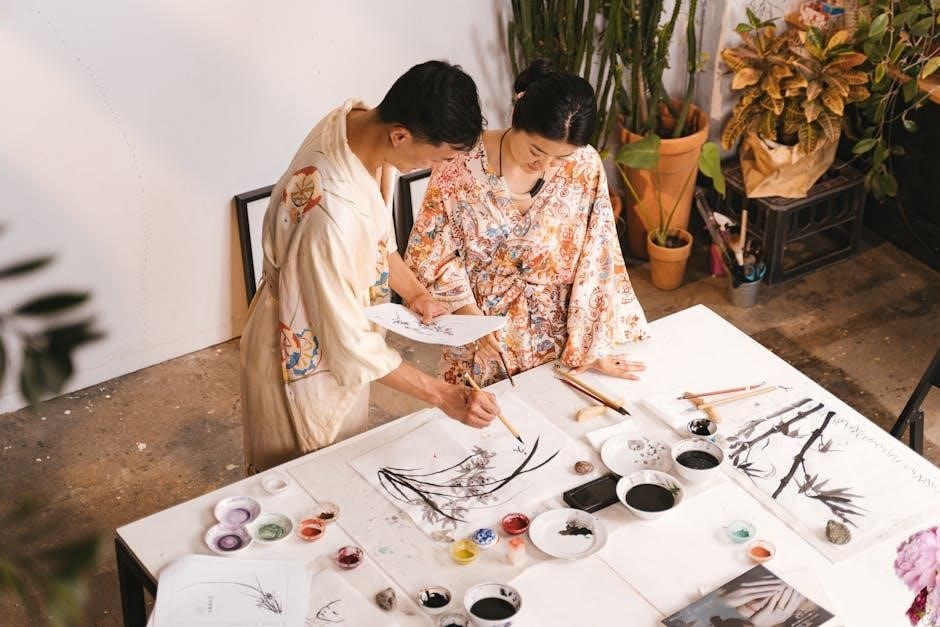
While free resources and PDFs provide a fantastic starting point, structured watercolor courses and workshops can significantly accelerate your learning. These options offer personalized instruction, direct feedback, and a supportive learning environment.
Many courses build upon foundational watercolor techniques, progressing from basic washes to more complex layering and glazing methods. Workshops often focus on specific subjects, like landscapes or florals, allowing you to apply your skills in a focused setting.
Look for courses that emphasize practical application and provide opportunities for experimentation. Some instructors offer courses that complement downloadable PDFs, creating a blended learning experience. Investing in a quality course can unlock trade-secrets and elevate your watercolor artistry.
Troubleshooting Common Watercolor Problems
Watercolor techniques PDFs often address issues like muddy colors and water control.
Understanding these challenges, and learning solutions, is crucial for artistic growth and successful painting.
Avoiding Muddy Colors
Watercolor techniques PDFs frequently emphasize preventing muddy colors, a common frustration for beginners. This occurs from overmixing pigments on the palette or repeatedly layering colors without allowing sufficient drying time between applications.
To combat this, utilize a limited palette initially, focusing on mastering color mixing with just a few key hues. Clean your brush thoroughly between each color pickup to avoid accidental contamination.
Furthermore, understand that complementary colors neutralize each other; while useful for muting tones, excessive mixing leads to dullness. Allow layers to dry completely before adding subsequent washes, preserving color vibrancy.
Many resources suggest practicing controlled washes and lifting techniques to maintain clarity and prevent unwanted blending, ultimately achieving cleaner, more luminous watercolor paintings.
Controlling Water Flow
Watercolor techniques PDFs consistently highlight mastering water flow as crucial for success. Watercolor’s fluidity is its strength, but also its challenge. Controlling the amount of water on your brush and paper dictates the paint’s behavior, influencing washes, blends, and details.
Begin by understanding paper absorbency; different weights and textures react differently. Tilt your paper to encourage flow in desired directions, but avoid excessive tilting that causes uncontrolled puddling.
Practice varying water-to-paint ratios to achieve different effects – more water for soft washes, less for bolder strokes. Utilize a clean, damp brush to lift excess water and refine edges.
These PDFs often demonstrate techniques for managing blooms and backruns, turning potential mishaps into artistic features through mindful water management.
Fixing Mistakes in Watercolor
Watercolor techniques PDFs emphasize that mistakes are inevitable, and often fixable! Unlike some mediums, watercolor’s transparency allows for correction, though it requires a delicate touch. Lifting paint with a clean, damp brush is a primary technique, best done while the paint is still wet or slightly damp.
For dried paint, gentle scrubbing with a damp brush or a magic eraser can lighten areas. Masking fluid, detailed in many PDFs, prevents paint from adhering to specific areas, protecting them from unwanted washes.
Layering can also disguise errors; a carefully applied glaze can tone down or alter a problematic area. Remember, embracing imperfections can add character!
These resources often stress that learning from mistakes is vital for growth, encouraging experimentation and a forgiving approach to the process.