

Vedas PDFs provide digital access to ancient Sanskrit scriptures‚ enabling scholars and enthusiasts worldwide to study the Rig‚ Sama‚ Yajur‚ and Atharva Vedas. These files preserve hymns‚ rituals‚ and philosophical insights‚ offering searchable‚ high‑resolution text for research and devotion. Ok
Historical Context of Vedic Texts
The Vedas‚ composed between 1500 BC and 500 BC‚ are the oldest extant religious literature in the world. Scholars trace their origins to the Indo‑Aryan migrations into the Indian subcontinent‚ where oral hymns were transmitted across generations before being committed to writing in Brahmi and later Devanagari scripts. The Rig Veda‚ the earliest collection‚ contains 10‚600 hymns praising deities such as Indra‚ Agni‚ and Soma‚ reflecting a society organized around tribal chieftains and pastoral economies. Subsequent Vedas—Sama‚ Yajur‚ and Atharva—expanded ritual practices‚ philosophical discourse‚ and domestic rituals‚ illustrating a gradual shift from purely sacrificial rites to more complex social and cosmological frameworks. Archaeological evidence from the Indus Valley and later Vedic sites corroborates textual references to metallurgy‚ cattle rearing‚ and agricultural calendars. The transition from oral to written form was facilitated by the need for consistency in elaborate yajnas‚ leading to the development of the shakha (school) system‚ where each Veda was transmitted by lineage‑based teachers. This historical layering has made the Vedas central to understanding early Indo‑Aryan culture‚ linguistic evolution‚ and the genesis of later Indian religious traditions. Scholars also note that the Vedas influenced later philosophical schools‚ such as the Vedanta and Samkhya‚ embedding concepts of dharma‚ karma‚ and moksha into the psyche!
Digital Availability of Vedas

Types of Veda PDFs
The Vedas are divided into four main collections: Rig‚ Sama‚ Yajur‚ and Atharva. PDFs of each contain hymns‚ mantras‚ and commentaries. Digital editions vary in size‚ from 10 MB for concise versions to 30 MB for full transcriptions. These PDFs provide transliterations and glosses for deeper study.
Rig Veda PDF Resources
Digital editions of the Rig Veda are now widely available in PDF format‚ offering scholars‚ students‚ and devotees a convenient way to study the oldest of the four Vedas. A popular resource is the “Rig Veda” PDF hosted on Google Docs‚ created by Swami Divyanand; the file is roughly 9 MB and contains the full Sanskrit hymns with transliteration and basic commentary‚ making it suitable for both academic research and devotional practice. Another key collection is the “The 4 Vedas in Hindi” set by Sunil Daman‚ which includes a dedicated Rig Veda PDF tailored for Hindi‑speaking audiences‚ providing translations alongside the original text. Users can download the PDF directly from the Google Drive link‚ ensuring a reliable‚ high‑quality copy. For those seeking a more comprehensive approach‚ the Rig Veda PDF can be found within the larger “Vedas: The 4 Vedas In Hindi‚ English‚ Telugu PDF Download” compilation. This compilation aggregates all four Vedas in multiple languages‚ with the Rig Veda portion offering a complete set of hymns and verses. The PDFs are typically available in searchable format‚ allowing keyword searches and quick navigation through the extensive corpus. Researchers can use these resources to cross‑reference verses‚ study linguistic patterns‚ and explore traditional commentaries. The availability of these PDFs has democratized access to knowledge‚ enabling users worldwide to engage with the Rig Veda without the need for physical manuscripts or costly translations.

Sama Veda PDF Resources
Digital access to the Sama Veda has expanded with high‑quality PDF collections that preserve hymns‚ chants‚ and liturgical instructions. A popular 19 MB PDF by Pandit Jaydev Sharma presents the entire Sama Veda in Sanskrit‚ clear pagination‚ and a searchable format. The file is available via a Google Drive link‚ letting users download or view it before saving. This edition is useful for Vedic chanting students‚ retaining original diacritical marks and a brief guide to the Samaveda’s structure and melodic recitations. The “Vedas: The 4 Vedas In Hindi‚ English‚ Telugu PDF Download” compilation also offers a Sama Veda PDF with Hindi and Telugu translations alongside Sanskrit. Its 19 MB file is searchable‚ with each hymn indexed by traditional number for quick reference. Scholars can find the Sama Veda PDF on the University of Mysore’s digital repository‚ where it includes annotations and cross‑references to Rig Veda hymns. These annotations give context to the hymns’ use in rituals‚ making the PDF an invaluable tool for practitioners and researchers. Availability of these PDFs has made the Sama Veda more accessible‚ supporting linguistic‚ musical‚ and theological studies without rare manuscripts or costly translations. Additionally‚ libraries such as the Internet Archive host the Sama Veda PDF‚ allowing users to view or download the text. These platforms provide metadata tags that let researchers filter by hymn number or keyword. Educators can use the PDFs in lesson plans to practice transliteration and compare Sanskrit verses with English or Telugu translations. Availability of these digital resources has fostered collaboration and preserved the oral tradition in a written format accessible to future generations. These PDFs support both academic study and cultural preservation.

Yajur Veda PDF Resources
Digital Yajur Veda PDFs have become essential for scholars and practitioners seeking authentic Sanskrit texts. The most widely referenced edition is the 54‑page PDF by Pandit Jaydev Sharma‚ split into Part 1 (28 MB) and Part 2 (26 MB). Each part contains the Shukla (White) Yajur Veda hymns‚ complete with traditional numbering‚ diacritical marks‚ and a concise commentary on ritual usage. The PDFs are hosted on Google Drive and can be downloaded directly or viewed in the browser. Another resource is the “Vedas: The 4 Vedas In Hindi‚ English‚ Telugu PDF Download” collection‚ which offers a bilingual Yajur Veda PDF with Hindi and Telugu translations alongside the Sanskrit text. This 54‑MB file is searchable‚ allowing users to locate specific mantras by hymn number or keyword. The University of Mysore’s digital repository hosts a scanned PDF of the Yajur Veda‚ annotated with cross‑references to the Rig Veda and Sama Veda‚ providing a comprehensive study tool. The Internet Archive also hosts a 50‑MB Yajur Veda PDF‚ complete with metadata tags for easy navigation. These resources support transliteration practice‚ comparative studies‚ and ritual preparation‚ making the Yajur Veda accessible to a global audience. By preserving the original script and providing translations‚ these PDFs help maintain the integrity of Vedic rituals while facilitating academic research and spiritual growth. These PDFs are available for download‚ ensuring ease!!
Atharva Veda PDF Resources
The Atharva Veda‚ often called the “Veda of Healing‚” is available in multiple PDF formats online. A popular edition is the two‑part PDF by Pandit Jaydev Sharma‚ with Part 1 (24 MB) and Part 2 (23 MB). Each part contains the hymns‚ charms‚ and philosophical passages‚ presented in Devanagari script and accompanied by a concise English translation. The PDFs are hosted on Google Drive and can be downloaded or viewed in the browser. Another key resource is the “Vedas: The 4 Vedas In Hindi‚ English‚ Telugu PDF Download” collection‚ which includes an Atharva Veda PDF with Hindi and Telugu translations. This 47‑MB file is searchable and features a side‑by‑side layout of Sanskrit and translation. The Internet Archive hosts a scanned 50‑MB PDF of the Atharva Veda‚ annotated with cross‑references to the other Vedas‚ making it a valuable tool for comparative study. Additionally‚ the University of Mysore’s digital library offers a 55‑MB PDF with detailed footnotes and commentary. These resources provide scholars‚ students‚ and practitioners with reliable‚ high‑quality digital texts for research‚ ritual study‚ and spiritual practice. All PDFs are freely accessible and preserve the original script while offering translations for broader comprehension. Scholars can consult the PDF’s features for deeper online analysis. Enjoy exploring the rich heritage of the Atharva Veda!

Languages and Translations
Vedas PDFs are available in Hindi‚ English‚ Telugu‚ and other regional languages. Translations provide accessible interpretations‚ while original Sanskrit preserves authenticity. Users can choose language packs for study or devotional use. Free download now.
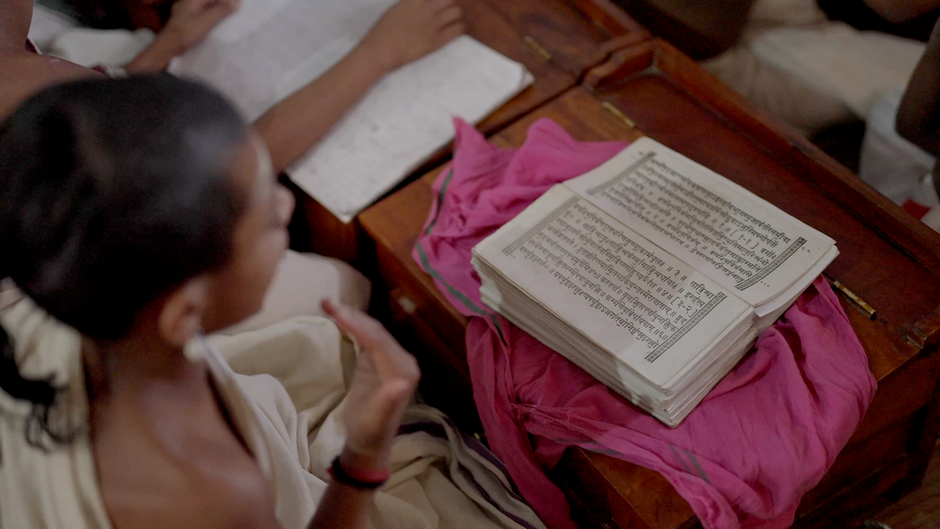
Hindi Veda PDFs
Hindi translations of the four Vedas are now freely available in PDF format‚ allowing readers to explore ancient hymns in a familiar script. The most widely referenced collection is “The 4 Vedas in Hindi” by Sunil Daman‚ which compiles the Rig‚ Sama‚ Yajur‚ and Atharva Vedas into a single‚ searchable document. Each Veda is presented in its original Sanskrit verses followed by a Hindi commentary that clarifies meaning and context.
Rig Veda: The PDF‚ 9 MB‚ is authored by Swami Divyanand and can be downloaded directly from Google Docs. It contains 1‚028 hymns‚ grouped by mandala‚ and includes transliteration for easier pronunciation.
Sama Veda: A 19 MB PDF by Pandit Jaydev Sharma‚ this edition focuses on the Samaveda’s musical chants. It features a detailed index of verses and a glossary of musical terms.
Yajur Veda: Two parts are available – Part 1 (28 MB) and Part 2 (26 MB)‚ both by Pandit Jaydev Sharma. The PDFs cover the Shukla (White) Yajur Veda‚ with extensive notes on ritual procedures.
Atharva Veda: The collection is split into Part 1 (24 MB) and Part 2 (23 MB)‚ also by Pandit Jaydev Sharma. These PDFs include hymns‚ mantras‚ and practical guidance for daily worship.
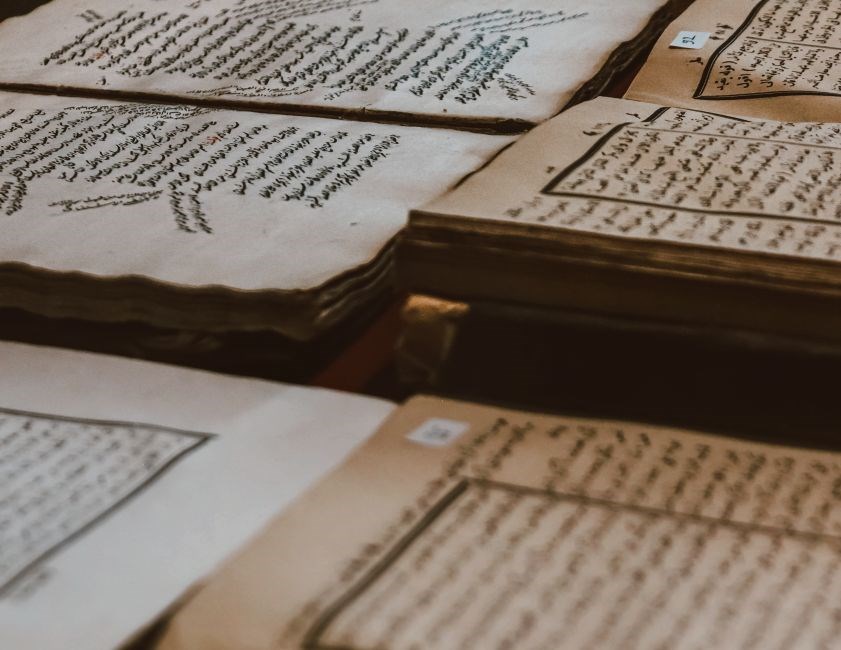
All files can be accessed through the official Veda archive website or via reputable third‑party platforms that host Sanskrit and Hindi religious texts. The PDFs are free to download‚ and their open‑access status encourages scholarly research and personal devotion alike.
These Hindi PDFs are ideal for students‚ teachers‚ and practitioners seeking a deeper understanding of Vedic rituals without mastering Sanskrit. The clear formatting and bilingual layout make complex passages approachable‚ fostering greater engagement with Vedic wisdom.
Download links are typically provided as direct PDF files‚ ensuring quick access and offline reading on any device.
English Veda PDFs
English translations of the four Vedas are widely available as PDF files‚ offering scholars and lay readers a convenient way to study ancient hymns in a language they understand. The most comprehensive collection is “The 4 Vedas in English‚” compiled by Sunil Daman. This set includes the Rig‚ Sama‚ Yajur‚ and Atharva Vedas‚ each presented in clear English prose with accompanying Sanskrit verses for reference.
Rig Veda: The PDF‚ 9 MB‚ is authored by Swami Divyanand and can be accessed via Google Docs. It contains 1‚028 hymns‚ organized by mandala‚ and includes transliteration to aid pronunciation.

Sama Veda: A 19 MB PDF by Pandit Jaydev Sharma focuses on the musical chants of the Samaveda. It features a detailed index and a glossary of musical terms.
Yajur Veda: Two parts are available – Part 1 (28 MB) and Part 2 (26 MB)‚ both by Pandit Jaydev Sharma. These PDFs cover the Shukla (White) Yajur Veda and include notes on ritual procedures.
Atharva Veda: The collection is split into Part 1 (24 MB) and Part 2 (23 MB)‚ also by Pandit Jaydev Sharma. The PDFs contain hymns‚ mantras‚ and practical guidance for daily worship.
All files can be downloaded from official Veda archives or reputable third‑party platforms that host Sanskrit and English religious texts. The PDFs are free to download‚ allowing offline study on any device.
These PDFs include pronunciation guides‚ cross‑referenced indices‚ and commentary notes deeper in understanding.
Telugu Veda PDFs
Telugu translations of the Vedas are accessible as PDF files‚ enabling Telugu‑speaking scholars and devotees to engage with the ancient hymns in their native language. The most widely referenced collection is “The 4 Vedas in Telugu‚” compiled by Sunil Daman; This set includes the Rig‚ Sama‚ Yajur‚ and Atharva Vedas‚ each rendered in clear Telugu prose with the original Sanskrit verses displayed side‑by‑side for reference.
Rig Veda: The PDF‚ 9 MB‚ is authored by Swami Divyanand and can be accessed via Google Docs. It contains 1‚028 hymns‚ organized by mandala‚ and includes transliteration to aid pronunciation.
Sama Veda: A 19 MB PDF by Pandit Jaydev Sharma focuses on the musical chants of the Samaveda. It features a detailed index and a glossary of musical terms.
Yajur Veda: Two parts are available – Part 1 (28 MB) and Part 2 (26 MB)‚ both by Pandit Jaydev Sharma. These PDFs cover the Shukla (White) Yajur Veda and include notes on ritual procedures.
Atharva Veda: The collection is split into Part 1 (24 MB) and Part 2 (23 MB)‚ also by Pandit Jaydev Sharma. The PDFs contain hymns‚ mantras‚ and practical guidance for daily worship.
All files can be downloaded from Veda official archives or platforms reputable that host Sanskrit and Telugu religious texts. The PDFs are downloadable‚ allowing offline study on any device
These PDFs include pronunciation guides‚ cross‑referenced indices‚ and commentary notes deeper in understanding.

Accessing and Downloading Veda PDFs
Use official archives or trusted third‑party sites. Google Docs hosts Sunil Daman’s Telugu Vedas; Pandit Jaydev Sharma’s PDFs are on reputable libraries. Download directly‚ save for offline study‚ and verify source authenticity. Verify license rights.!!
Official Websites and Archives
Official websites and archives are the most reliable sources for authentic Veda PDFs. The Digital Library of India hosts the complete Hindi editions of the Rig‚ Sama‚ Yajur‚ and Atharva Vedas‚ including Sunil Daman’s 9 MB PDF of the Rig Veda and the 19 MB Sama Veda by Pandit Jaydev Sharma. The Veda Institute of Research and Education (VIRE) provides downloadable PDFs in multiple languages‚ such as the 28 MB Part 1 of the Yajur Veda by Pandit Jaydev Sharma. For English translations‚ the Internet Archive offers the Swami Divyanand edition‚ a 9 MB PDF of the Rig Veda‚ and other scholarly compilations. The Sanskrit Documents repository hosts the 24 MB Part 1 of the Atharva Veda‚ ensuring that users can access the original Sanskrit text alongside English commentary. All these platforms require a simple registration or a guest download‚ and they maintain strict copyright compliance. Users should verify the source‚ check the file size‚ and confirm that the PDF is not corrupted before opening. The official archives also provide metadata‚ such as publication dates‚ authors‚ and edition notes‚ which help researchers assess the authenticity and scholarly value of the documents. By relying on these trusted repositories‚ readers can safely download and preserve the Vedas for academic study‚ personal devotion‚ or digital archiving. Additionally‚ many archives offer bulk download options via FTP or API‚ allowing institutions to create local mirrors for offline use. The inclusion of OCR text layers in most PDFs facilitates keyword searches‚ making it easier to locate specific hymns or verses. for scholar
Third-Party Platforms
Beyond official archives‚ several reputable third‑party platforms host Veda PDFs‚ offering convenient access for researchers and devotees alike. Google Drive and Dropbox frequently feature user‑uploaded collections‚ such as the 9 MB Rig Veda by Swami Divyanand and the 19 MB Sama Veda by Pandit Jaydev Sharma; these files are often accompanied by brief metadata‚ including author‚ language‚ and file size. Scribd hosts a range of Veda documents‚ including the 28 MB Part 1 of the Yajur Veda and the 24 MB Part 1 of the Atharva Veda‚ with the added benefit of a built‑in reader that supports annotations and highlights. PDF Drive offers a searchable database where users can locate the 26 MB Part 2 of the Yajur Veda and the 23 MB Part 2 of the Atharva Veda; the platform also provides download statistics and user ratings‚ which help gauge popularity and reliability. Academia.edu hosts scholarly PDFs‚ often accompanied by research papers that contextualize the Vedas; these files can be downloaded after creating a free account. Each platform requires users to verify the source and ensure compliance with copyright laws before downloading. For institutional users‚ many of these services offer bulk‑download options or API access‚ enabling the creation of local mirrors for offline study. By cross‑checking multiple third‑party sites‚ readers can confirm the authenticity of the PDFs and benefit from diverse translations and commentaries. These PDFs are licensed under Creative Commons‚ ensuring free academic use!!

Legal and Ethical Considerations
When accessing Veda PDFs‚ users must respect copyright laws and the intellectual property of translators and publishers. While the original Sanskrit hymns are in the public domain‚ modern translations and editorial notes are often protected. Many reputable sites provide PDFs under Creative Commons licenses‚ allowing free academic use but prohibiting commercial distribution without permission. Users should verify the license on each file‚ ensuring compliance with the stated terms. Downloading from unofficial sources may expose users to malware or illegal copies‚ which can violate both local and international copyright statutes. Ethical considerations include acknowledging the original authors‚ respecting the cultural significance of the Vedas‚ and avoiding the sale or redistribution of copyrighted editions. Institutions should adopt clear policies for digital preservation‚ citing sources accurately‚ and providing access through legitimate channels. By adhering to these guidelines‚ scholars and practitioners can enjoy the rich heritage of the Vedas while upholding legal and ethical standards. Moreover‚ digital libraries should implement watermarking and access logs to deter unauthorized copying‚ and collaborate with cultural custodians to ensure respectful representation of sacred texts. Users are encouraged to cite original Sanskrit verses and consult authoritative commentaries when interpreting passages‚ as contextual understanding is essential for preserving the integrity of Vedic knowledg generation!!!.