

Understanding Chip Card Payments in New York
Recent discussions highlight a shift in payment methods, specifically focusing on chip-based card instructions, as seen in NYT crosswords – often indicated by “TAP”․
The transition involves inserting cards into terminals for a slightly longer processing time, enhancing security against fraudulent purchases with embedded digital chips․
These new systems require patience as cards remain in the reader for several seconds, a change impacting both customers and service staff, like waiters managing split bills․
The Transition to Chip Technology
The move to chip technology in New York, and nationwide, wasn’t simply an upgrade; it was a fundamental shift in how credit and debit card transactions are processed, driven by a need for enhanced security․ Initially, consumers were accustomed to swiping their cards, a method proven vulnerable to fraud․ The introduction of EMV (Europay, Mastercard, and Visa) chip cards, however, demanded a change in habit – a move from a quick swipe to a deliberate insertion․
Early adoption faced some friction․ As noted in reports from 2015 and 2016, the processing time with chip cards was noticeably longer than swiping, causing slight delays at checkout․ This adjustment required both merchants and customers to adapt․ The NYT crossword clue referencing “instruction when paying with a chip card” – answered as “TAP” – also reflects the growing acceptance of contactless options as a parallel transition․
Furthermore, the initial implementation involved a choice between “chip and PIN” and “chip and signature,” adding another layer of complexity․ This transition aimed to significantly reduce counterfeit card fraud, a major issue prior to the widespread adoption of chip technology․
Why Chip Cards are More Secure
Chip cards offer a significantly higher level of security compared to traditional magnetic stripe cards due to the way transaction data is processed․ While magnetic stripes store card information in a static manner, making them easily copied, chip cards create a unique, dynamic code for each transaction․ This dynamic code makes it incredibly difficult for fraudsters to clone the card and use it for unauthorized purchases․
The embedded digital chip generates this unique code, effectively verifying the card’s authenticity with each use․ This technology directly addresses the vulnerabilities that plagued the swipe-based system․ Even the simple act of following instructions – like those hinted at in a NYT crossword clue (“instruction when paying with a chip card” – “TAP”) – contributes to a more secure ecosystem by encouraging the use of more advanced payment methods․
This enhanced security is the primary driver behind the transition, aiming to minimize counterfeit card fraud and protect both consumers and merchants․
How to Pay with a Chip Card in New York
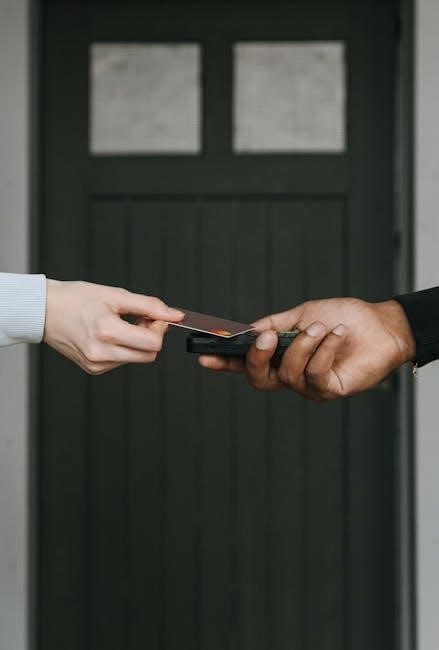
Paying with a chip card in New York generally involves inserting the card into a terminal, following the on-screen prompts, or simply “TAP”ing․
Inserting the Card
When prompted, carefully insert your chip-enabled card into the designated slot on the payment terminal – this is a key instruction highlighted in recent NYT crossword clues․ Unlike swiping, inserting the card activates the security features embedded within the chip․
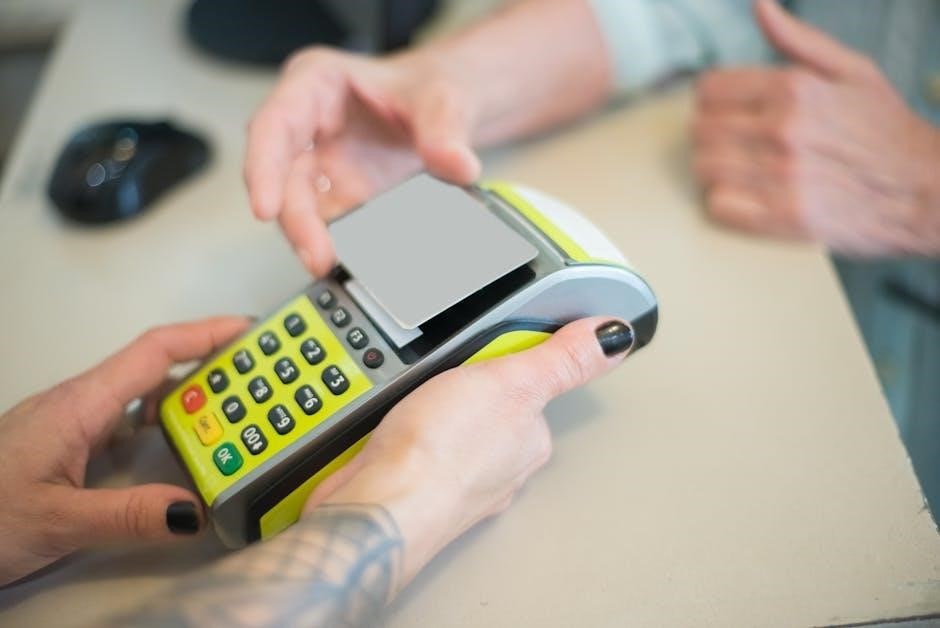
Ensure the card is fully inserted; do not attempt to remove it prematurely․ The terminal will then initiate the transaction process, which may take a few seconds longer than a traditional swipe․ This slight delay is normal and is a crucial part of the enhanced security protocol․
Recent reports indicate that diners and shoppers are adjusting to this new process, particularly when splitting bills or completing purchases quickly․ Remember to follow any on-screen instructions provided by the terminal throughout the insertion and processing stages․
Leaving the Card in the Terminal
A significant change from swiping is the requirement to leave your card in the terminal throughout the entire transaction process․ This is a point frequently emphasized in discussions about chip card usage, even appearing as a clue in NYT crosswords․
Do not attempt to remove your card until the terminal prompts you to do so – typically indicated by a visual cue or an audible signal․ Removing the card prematurely can interrupt the transaction and potentially lead to a failed payment․
The extended processing time, lasting several seconds, is normal and allows the chip to securely communicate with the payment system․ This seemingly small step significantly enhances security and reduces the risk of fraudulent activity, as highlighted by the transition to chip technology․
The Processing Time
One of the most noticeable differences when using a chip card is the increased processing time compared to traditional magnetic stripe swipes․ Discussions surrounding chip card instructions, even appearing in NYT crosswords, often allude to this delay․
Expect the transaction to take several seconds longer, as the chip needs to establish a secure connection with the payment terminal․ This isn’t a malfunction; it’s a crucial part of the enhanced security process․
Patience is key! Resist the urge to remove your card prematurely, as this can interrupt the transaction․ The terminal will signal completion, allowing you to retrieve your card safely; This slightly longer wait contributes to a more secure payment experience․
Alternatives to Chip Card Insertion
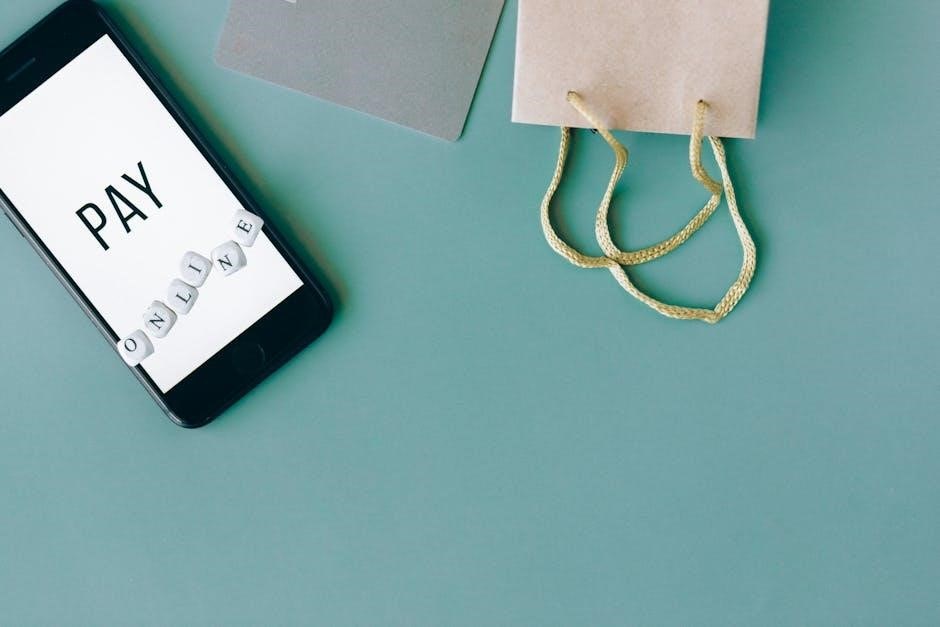
Beyond inserting your chip card, contactless payment – often the answer to “TAP” in NYT clues – offers a quicker, convenient alternative for transactions․
Contactless Payment (Tap to Pay)
Contactless payment, frequently referenced as the solution to “Instruction when paying with a chip-based credit card” in NYT crosswords – and succinctly answered as “TAP” – represents a significant evolution in how New Yorkers handle transactions․
This method utilizes Near Field Communication (NFC) technology, allowing you to simply hold your card near a compatible reader, eliminating the need for physical insertion․ It’s a remarkably swift process, often completing in just a few seconds, streamlining the checkout experience․
Many modern credit and debit cards are equipped with contactless capabilities, indicated by a wave-like symbol․ Additionally, mobile payment systems like Apple Pay, Google Pay, and Samsung Pay leverage NFC, effectively turning your smartphone into a contactless card․ This offers an added layer of convenience and security․
The increasing prevalence of contactless payment reflects a broader trend towards faster, more efficient, and secure payment options in New York City․
When to Use Contactless
Considering the “TAP” solution to the NYT crossword clue – “Instruction when paying with a chip-based credit card” – understanding when to utilize contactless payment is crucial for a smooth experience in New York․
Contactless is ideal for quick, everyday purchases where speed is paramount․ Think coffee runs, grocery store trips, or grabbing a quick bite․ It’s particularly useful in busy environments where minimizing transaction time benefits both you and the merchant․
However, for larger purchases, or if the terminal prompts you to insert your card, it’s best to follow the on-screen instructions․ While generally secure, contactless payments have slightly different security protocols than chip insertion․
Always be mindful of your surroundings and ensure the terminal is legitimate before tapping․ Utilizing contactless payment offers convenience, but awareness remains key․

Troubleshooting Chip Card Payments
If encountering issues, remember the “TAP” instruction from recent NYT clues; declined transactions or reader malfunctions may require contacting your bank for assistance․
Card Reader Issues
Occasionally, you might encounter problems with the card reader itself when attempting a chip card payment in New York․ Remembering the recent guidance – often appearing as clues like “Instruction when paying with a chip-based credit card NYT” or simply “TAP” – can be helpful, but doesn’t solve hardware issues․
If the reader appears unresponsive, double-check that you’ve correctly inserted the card․ Ensure the chip is making proper contact․ Sometimes, a simple re-insertion can resolve the problem․ If the reader displays an error message, note it down as this information will be useful when contacting your bank or the merchant’s support․
It’s also worth noting that older terminals may experience intermittent glitches․ If the issue persists across multiple attempts, don’t hesitate to ask the cashier for assistance or explore alternative payment methods․ A malfunctioning reader isn’t your fault, and a reputable establishment will offer a solution․
Declined Transactions
Experiencing a declined transaction while attempting to pay with your chip card can be frustrating․ Remembering recent clues, like those found in the NYT Mini Crossword – referencing instructions for chip card use, often summarized as “TAP” – won’t override a decline, but understanding potential causes can help․
Common reasons include insufficient funds, exceeding your credit limit, or a suspected fraudulent activity flagged by your bank․ Occasionally, the issue stems from incorrect PIN entry (if a PIN is required) or a mismatch between the billing address and the cardholder’s information․
If your transaction is declined, immediately contact your bank to inquire about the reason․ Don’t assume the worst; it could be a simple, easily resolvable issue․ Have your card details readily available and be prepared to verify your identity․ Exploring alternative payment options while resolving the issue is also advisable․
Contacting Your Bank
When encountering issues with chip card payments – whether a declined transaction or a persistent card reader problem – contacting your bank is a crucial step․ Remember, even knowing the correct “TAP” instruction (as highlighted in recent NYT clues) won’t resolve underlying account or card issues․
Locate the customer service number on the back of your card or access it through your bank’s website or mobile app․ Be prepared to verify your identity with details like your account number, date of birth, and address․ Clearly explain the problem you’re experiencing, providing specifics about the transaction or the card reader․
Your bank can investigate declined transactions, reissue a card if necessary, and offer guidance on preventing future issues․ They can also clarify whether the problem lies with the merchant’s terminal or your account itself, offering peace of mind and a swift resolution․

Chip and PIN vs․ Chip and Signature
While chip-and-PIN offers enhanced security, some banks still authorize transactions with signatures, a practice noted in 2014, despite NYT’s “TAP” clues․
Understanding the Difference
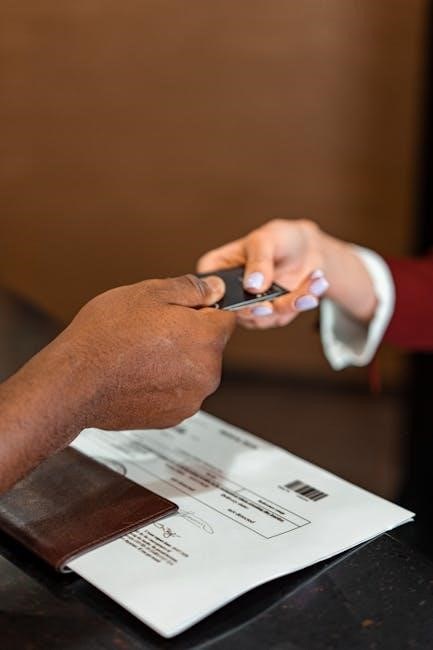
Chip and PIN systems utilize a four-digit personal identification number (PIN) to verify the cardholder’s identity during a transaction, adding a robust layer of security․ This method, prevalent globally, requires the user to enter their PIN on the payment terminal, confirming they are the legitimate owner of the card․ Conversely, chip and signature relies on a traditional signature to authenticate the purchase․
The key distinction lies in the verification process; PIN offers a more secure method as it’s harder to forge than a signature․ However, the United States initially adopted a hybrid approach, allowing banks to choose between PIN and signature verification․ This decision stemmed from existing payment infrastructure and consumer habits․ Recent clues, like those found in the NYT Mini Crossword (“TAP”), suggest a move towards simpler, contactless methods, but the underlying difference between PIN and signature remains relevant for chip card functionality․
Ultimately, both methods leverage the embedded chip for enhanced security compared to traditional magnetic stripe cards, but PIN provides a stronger authentication factor․
New York’s Acceptance of Both Methods
New York, mirroring the national trend, generally accepts both chip and PIN and chip and signature methods for credit and debit card transactions․ While the chip technology itself represents a significant security upgrade over magnetic stripes, the specific verification method often depends on the issuing bank and the merchant’s terminal capabilities․
Initially, many US banks opted for chip and signature to avoid the immediate costs of upgrading infrastructure to support PIN verification․ This meant New Yorkers frequently encountered prompts for signatures even with chip-enabled cards․ However, the increasing prevalence of contactless payments – hinted at by clues like “TAP” in the NYT crossword – is subtly shifting this landscape․
Despite the rise of “tap to pay,” merchants in New York are still legally obligated to support chip card transactions, offering customers the choice between signature or PIN where available․
The Future of Card Payments in New York
Future trends, like mobile payments and biometric authentication, are evolving beyond traditional chip card instructions (“TAP”), streamlining transactions and enhancing security․

Mobile Payments
The evolution of payment technology in New York is rapidly shifting towards mobile solutions, offering alternatives to traditional chip card insertion and even the simple “TAP” instruction highlighted in recent NYT crosswords․
Platforms like Apple Pay, Google Pay, and Samsung Pay allow users to securely store their credit and debit card information on their smartphones or smartwatches․ These systems utilize Near Field Communication (NFC) technology, enabling contactless payments at compatible terminals – essentially an extension of the tap-to-pay functionality․
This move away from physical cards streamlines the checkout process, reducing the need to fumble for a card and wait for processing․ Mobile payments also often incorporate enhanced security features, such as tokenization and biometric authentication, adding layers of protection against fraud․ As adoption increases, mobile payments are poised to become a dominant force in the New York payment landscape, diminishing reliance on chip card readers․
Biometric Authentication
Beyond the simple “TAP” instruction seen in NYT crosswords relating to chip card payments, New York is witnessing a surge in biometric authentication methods, representing a significant leap in payment security and convenience․
This technology utilizes unique biological traits – fingerprints, facial recognition, or even voice patterns – to verify a user’s identity before authorizing a transaction․ Increasingly, smartphones and payment terminals are integrating these features, offering a more secure alternative to traditional PINs or signatures․
Biometric authentication adds a robust layer of protection against fraud, as it’s significantly more difficult to replicate a biological identifier than a password or card number․ This aligns with the initial goal of chip card technology: to reduce fraudulent purchases․ As consumers become more comfortable with these methods, biometric authentication is expected to become a standard feature in the New York payment ecosystem, further streamlining transactions․
Staying Safe with Chip Cards
Protecting your PIN remains crucial, even with “TAP” and chip technology, alongside diligently monitoring your statements for any unauthorized activity or suspicious charges․
Protecting Your PIN
Safeguarding your Personal Identification Number (PIN) is paramount when utilizing chip card technology in New York, and beyond․ While the “TAP” feature offers convenience, understanding PIN security remains vital․ Never share your PIN with anyone, including bank personnel or store employees․
When prompted for your PIN at a terminal, shield the keypad with your hand to prevent shoulder surfing or hidden camera capture․ Avoid using easily guessable PINs, such as your birthdate or address․ Regularly update your PIN to enhance security․
Be cautious of phishing attempts or suspicious emails requesting your PIN․ Legitimate financial institutions will never ask for your PIN via email or text message․ Remember that chip and PIN technology, though more secure, still relies on the confidentiality of your PIN for successful and protected transactions․
Monitoring Your Statements
Regularly reviewing your credit and debit card statements is a crucial step in protecting yourself against fraudulent activity, even with the enhanced security of chip card technology – a topic recently highlighted in NYT crosswords with clues like “TAP”․
Carefully examine each transaction, looking for any unauthorized purchases or discrepancies․ Pay close attention to the date, amount, and merchant of each charge․ Online banking and mobile apps offer convenient access to your statements, allowing for frequent monitoring․
Promptly report any suspicious activity to your bank or card issuer․ Early detection can minimize potential losses and help prevent further fraudulent charges․ Don’t assume a small, unfamiliar charge is insignificant; investigate it immediately․ Proactive statement monitoring is a key component of secure chip card usage․