
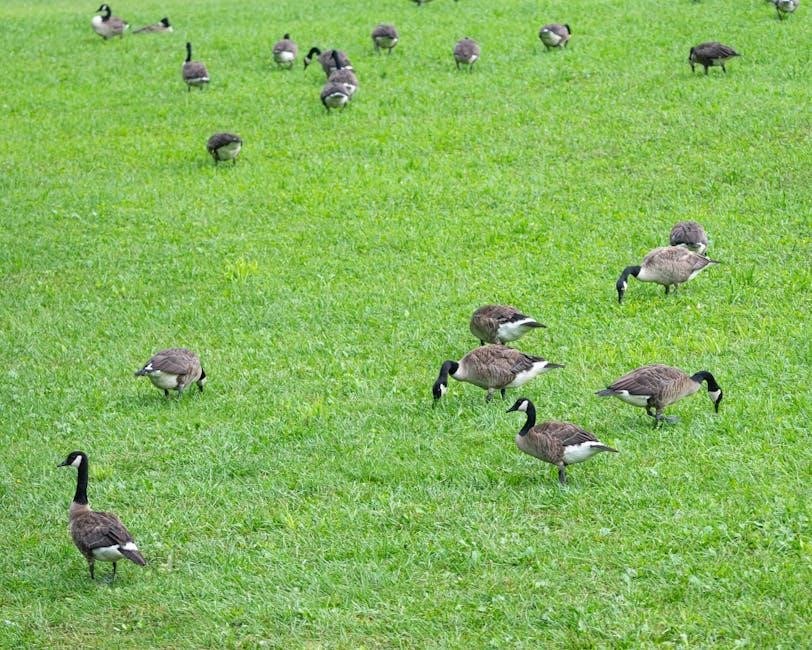
Pennsylvania boasts remarkable avian diversity‚ hosting over 300 species! A comprehensive field guide is essential for identifying these feathered residents‚ from vibrant songbirds to majestic raptors.
Overview of Pennsylvania’s Avian Diversity
Pennsylvania’s diverse habitats – encompassing lush forests‚ rolling hills‚ expansive wetlands‚ and bustling urban areas – support an extraordinary range of birdlife. Over 300 different species have been documented within the state’s borders‚ making it a haven for birdwatchers and ornithologists alike. This incredible avian diversity is influenced by the state’s geographical location‚ serving as a crucial migratory corridor for many species traveling between breeding and wintering grounds.
From the common Northern Cardinal and American Robin gracing backyard feeders to the majestic Bald Eagle soaring above rivers‚ Pennsylvania offers a captivating spectacle for bird enthusiasts. A reliable field guide becomes an indispensable tool for navigating this rich tapestry of feathered creatures‚ aiding in accurate identification and fostering a deeper appreciation for their ecological roles. Understanding this diversity is key to conservation efforts.
Importance of Bird Identification
Accurate bird identification is far more than a recreational pursuit; it’s a cornerstone of effective conservation. Knowing which birds inhabit Pennsylvania allows for targeted monitoring of population trends‚ revealing potential declines and informing protective measures. A good field guide is the first step towards becoming a citizen scientist‚ contributing valuable data to ornithological studies.

Furthermore‚ identification skills enhance our understanding of avian behavior and ecology. Recognizing subtle differences in plumage‚ song‚ and habitat preference unlocks insights into a bird’s life history. This knowledge fosters a deeper connection with nature and promotes responsible stewardship. Utilizing a field guide empowers individuals to appreciate the intricate beauty and ecological significance of Pennsylvania’s birdlife‚ driving support for habitat preservation.
Common Backyard Birds
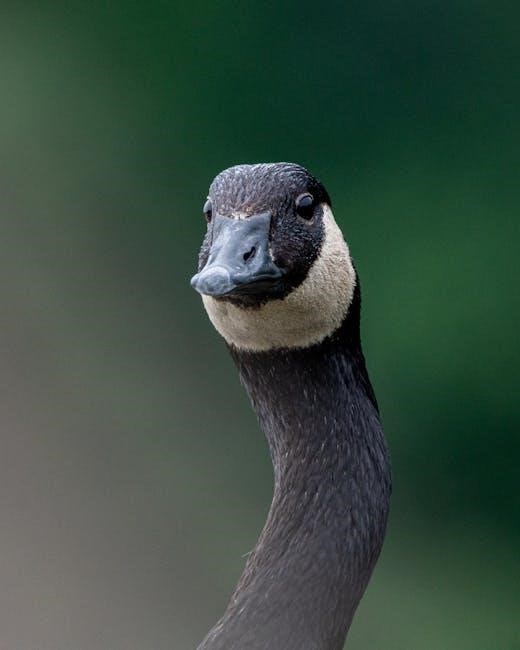
Pennsylvania backyards frequently host delightful visitors! A field guide helps identify regulars like Cardinals‚ Robins‚ Sparrows‚ and Starlings‚ enriching your birdwatching experience.
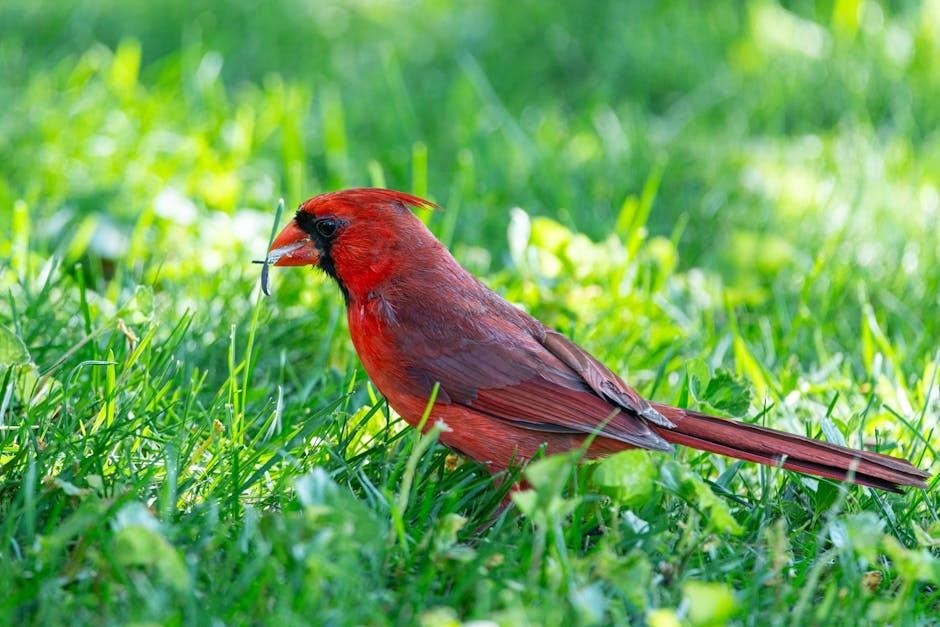
Northern Cardinal (Cardinalis cardinalis)
The Northern Cardinal‚ a beloved Pennsylvania resident‚ is easily recognized by the male’s vibrant red plumage and distinctive crest. Females exhibit a more subdued reddish-brown coloration‚ yet remain strikingly beautiful. A reliable field guide is invaluable for confirming identification‚ noting subtle variations in shade and beak shape.
Cardinals are year-round inhabitants‚ frequently visiting backyard feeders for sunflower seeds and safflower. Their cheerful‚ whistling song is a common sound throughout the state. Observing their behavior – foraging‚ nesting‚ and interacting with other birds – enhances the birdwatching experience. A field guide will detail their nesting habits‚ typically building cup-shaped nests in dense shrubs or trees.
Understanding their range‚ as detailed in a good field guide‚ reveals their prevalence across Pennsylvania. Cardinals are not shy‚ often perching prominently in gardens and parks‚ making them a favorite subject for both novice and experienced birders. Their adaptability contributes to their widespread success.
American Robin (Turdus migratorius)
The American Robin is a familiar sight throughout Pennsylvania‚ known for its reddish-orange breast and cheerful song. A comprehensive field guide is crucial for distinguishing robins from similar thrushes‚ paying attention to subtle differences in plumage and size. Juvenile robins display speckled breasts‚ a key identification feature highlighted in detailed guides.
Robins are adaptable birds‚ thriving in various habitats‚ from suburban lawns to woodlands. They are often seen foraging for earthworms‚ a behavior vividly described in many field guides. Their nesting habits‚ constructing mud-lined cup nests in trees and shrubs‚ are also well-documented.
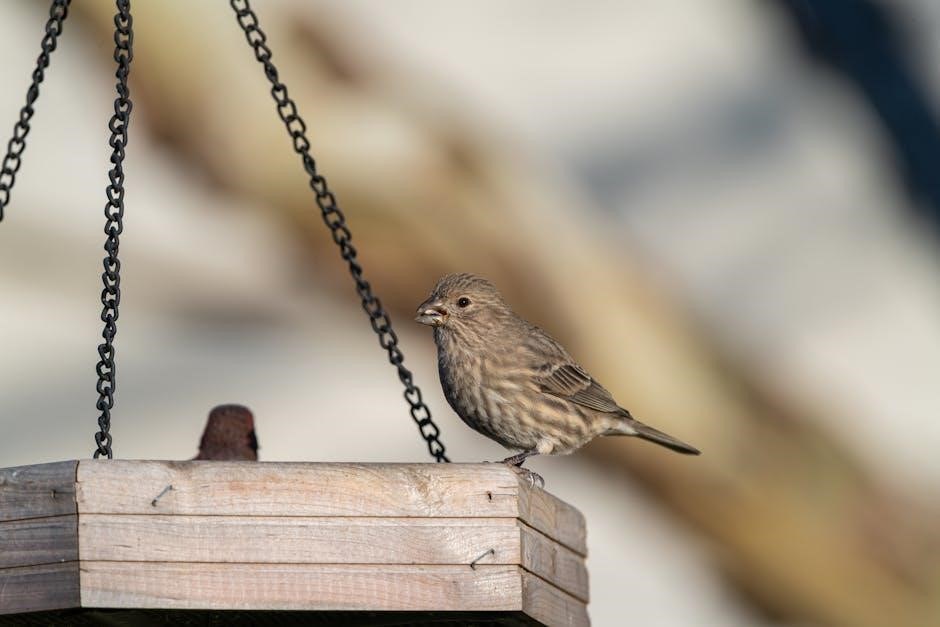
Utilizing a field guide helps understand the robin’s migratory patterns; while some remain year-round in Pennsylvania‚ others migrate south for the winter. Observing their seasonal presence and variations in song adds depth to birdwatching. Their widespread distribution makes them an excellent species for beginners to practice identification skills.
House Sparrow (Passer domesticus)
The House Sparrow‚ a common resident across Pennsylvania‚ presents unique identification challenges. A reliable field guide is essential‚ as plumage varies significantly between sexes and ages. Males exhibit a gray crown‚ black bib‚ and chestnut back‚ while females are a more subdued brown. Juvenile sparrows lack distinct markings‚ requiring careful observation.
Originally introduced from Europe‚ House Sparrows have adapted remarkably to urban and suburban environments. Field guides detail their preference for nesting in cavities‚ often utilizing buildings and birdhouses. Their social behavior‚ frequently gathering in flocks‚ is another characteristic noted in guides.
Understanding the House Sparrow’s impact as an introduced species is crucial‚ and a field guide can provide context. While widespread‚ their aggressive nesting habits can displace native birds. Accurate identification‚ aided by a field guide‚ is the first step in appreciating their complex role in the Pennsylvania ecosystem.
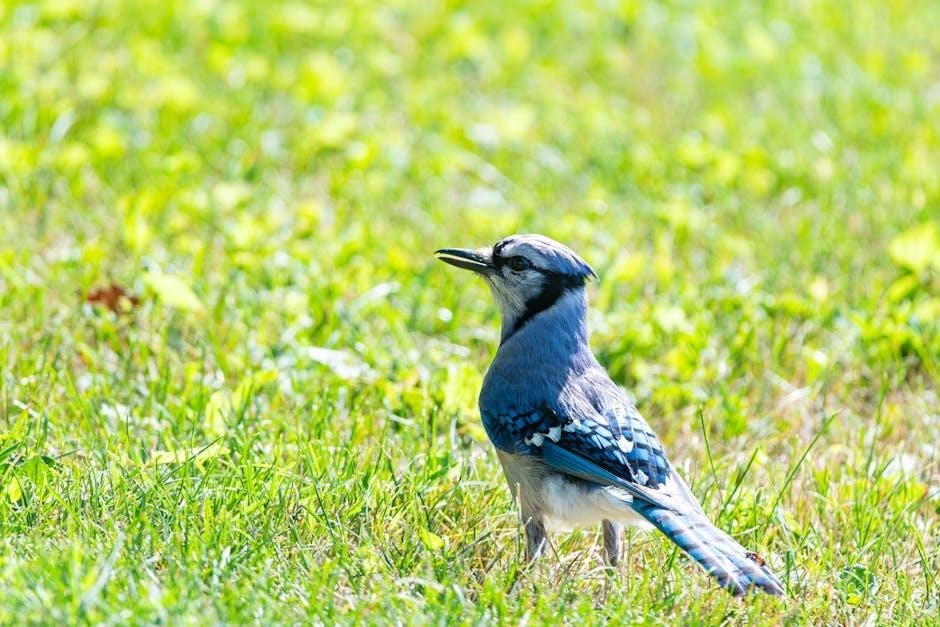
European Starling (Sturnus vulgaris)
The European Starling‚ a familiar sight throughout Pennsylvania‚ demands a detailed field guide for accurate identification. Its plumage is notoriously variable‚ especially outside the breeding season‚ displaying iridescent speckles. Breeding plumage showcases a glossy black sheen with subtle purple and green hues‚ while winter plumage is heavily speckled with white.
Like the House Sparrow‚ the Starling is an introduced species. A good field guide will explain its history and current distribution within the state. They are highly adaptable‚ thriving in both urban and rural landscapes‚ often congregating in large flocks. Their vocalizations‚ a complex mix of whistles and clicks‚ are also detailed in comprehensive guides.
Understanding the Starling’s impact on native species is vital‚ and a field guide can offer valuable insights. Their aggressive competition for nesting cavities can negatively affect bluebirds and other cavity-nesting birds. Utilizing a field guide aids in recognizing this complex ecological relationship within Pennsylvania.
Woodland Birds
Pennsylvania’s forests teem with avian life! A detailed field guide reveals woodpeckers‚ nuthatches‚ and titmice inhabiting these areas‚ showcasing unique adaptations for woodland survival.
Red-bellied Woodpecker (Melanerpes carolinus)
The Red-bellied Woodpecker‚ a common sight in Pennsylvania woodlands‚ is a strikingly beautiful bird. A reliable field guide is crucial for proper identification‚ noting its vibrant red cap and nape – though the “red-belly” is often more subtle‚ appearing as a faint blush. These medium-sized woodpeckers measure around 9-12 inches in length‚ exhibiting a black and white checkered back and pale gray belly.
They are versatile feeders‚ consuming insects‚ nuts‚ and fruits. Observing their foraging behavior – clinging to tree trunks and branches while excavating for insects – is a key identification feature. Their loud‚ drumming call echoes through the forests‚ serving as both a territorial declaration and a means of communication. A field guide will also detail their nesting habits‚ typically excavating cavities in dead trees. Recognizing their distinct markings and behaviors enhances any birdwatching experience within the state.
Downy Woodpecker (Dryobates pubescens)
Pennsylvania’s smallest woodpecker‚ the Downy Woodpecker‚ requires a detailed field guide for accurate identification‚ often confused with the Hairy Woodpecker. Key distinctions lie in size and bill proportion; the Downy’s bill is noticeably shorter and smaller relative to its head size. Measuring approximately 6-7 inches‚ males exhibit a small red patch on the back of their heads‚ absent in females.
These active birds frequent woodlands‚ orchards‚ and even suburban gardens‚ foraging for insects on tree bark. A field guide will highlight their characteristic “wick-wick-wick” call and their drumming‚ softer and higher-pitched than larger woodpeckers. Observing their foraging technique – probing crevices for larvae – aids identification. They excavate small nesting cavities in dead wood‚ often reusing old holes; Careful observation‚ coupled with a reliable guide‚ unlocks the charm of this diminutive‚ yet vital‚ forest inhabitant.
White-breasted Nuthatch (Sitta carolinensis)
A common sight in Pennsylvania’s woodlands‚ the White-breasted Nuthatch is a distinctive bird best identified with a quality field guide. Its unique ability to walk headfirst down tree trunks sets it apart. Measuring around 5-6 inches‚ it boasts a striking black cap‚ white face‚ and warm-buff underparts. A blue-gray back completes its coloration.
The field guide will detail its nasal “yank-yank” call‚ often repeated. Nuthatches actively forage for insects and seeds‚ wedging them into bark crevices and hammering them open. They frequently visit bird feeders‚ caching seeds for later consumption. Identifying their neatly excavated nesting holes‚ often smeared with sticky resin to deter predators‚ is another key feature. Observing their upside-down movements and distinctive vocalizations‚ aided by a good guide‚ reveals the fascinating behavior of this resourceful bird.
Tufted Titmouse (Baeolophus bicolor)
The Tufted Titmouse‚ a beloved resident of Pennsylvania forests‚ is easily recognized with the help of a detailed field guide. This small‚ active bird‚ approximately 6 inches in length‚ displays a charming gray upper body‚ white underparts‚ and a prominent‚ pointed crest. Its large‚ dark eyes and cheerful demeanor add to its appeal.
A field guide will highlight the Titmouse’s varied vocalizations‚ including its whistled “peter-peter-peter” song and a range of scolding calls. These birds are frequent visitors to feeders‚ readily accepting sunflower seeds and peanuts; They are cavity nesters‚ often utilizing abandoned woodpecker holes or natural tree cavities. Observing their energetic foraging behavior and distinctive crest‚ alongside information from a reliable guide‚ allows for confident identification and appreciation of this delightful woodland species.
Birds of Prey
Pennsylvania’s raptors‚ detailed in any good field guide‚ include eagles‚ hawks‚ and osprey. Identifying these powerful hunters requires careful observation of size‚ shape‚ and flight patterns.
Bald Eagle (Haliaeetus leucocephalus)
The Bald Eagle‚ Haliaeetus leucocephalus‚ is a magnificent bird of prey and a true symbol of Pennsylvania. A comprehensive field guide is invaluable for observing and understanding this species. Adults boast a striking white head and tail contrasted against a dark brown body‚ a plumage achieved after several years. Immature eagles display mottled brown and white feathers‚ gradually acquiring their adult coloration.
These majestic birds prefer habitats near large bodies of water‚ providing ample fishing opportunities – their primary food source. Look for them soaring high above rivers and lakes‚ or perched prominently in tall trees. Their massive nests‚ often reused and expanded annually‚ are among the largest bird nests constructed. A field guide will help distinguish them from other large raptors like Golden Eagles‚ which are rarer in Pennsylvania. Conservation efforts have led to a remarkable recovery of the Bald Eagle population‚ making sightings increasingly common throughout the state.
Osprey (Pandion haliaetus)
The Osprey‚ Pandion haliaetus‚ is a distinctive raptor frequently observed near waterways throughout Pennsylvania. A reliable field guide is crucial for accurate identification. Ospreys are characterized by their brown upperparts and white underparts‚ with a noticeable dark stripe through the eye. They possess long‚ narrow wings and a fish-hook shaped beak perfectly adapted for their diet.
Unlike many raptors‚ Ospreys primarily feed on fish‚ skillfully plunging into the water to snatch their prey. They often build large stick nests in conspicuous locations – on platforms‚ utility poles‚ or dead trees – near bodies of water. A field guide will aid in differentiating them from Bald Eagles‚ noting the Osprey’s smaller size and unique flight pattern. Their populations have rebounded significantly thanks to conservation efforts‚ including nest platforms and reduced pesticide use‚ making them a common sight for birdwatchers in Pennsylvania.
Sharp-shinned Hawk (Accipiter striatus)
The Sharp-shinned Hawk‚ Accipiter striatus‚ is a small and agile raptor common throughout Pennsylvania. A good field guide is essential for distinguishing it from the similar Cooper’s Hawk. These hawks exhibit a characteristic “flap-and-glide” flight pattern while hunting birds in wooded areas. Adult Sharp-shinned Hawks display bluish-gray upperparts and reddish-barred underparts‚ while juveniles are browner.
Identifying features highlighted in a field guide include their relatively small size‚ narrow‚ rounded wings‚ and long tail. They are known for their stealthy hunting techniques‚ often ambushing prey from concealed perches. Observing their behavior – quick‚ direct flight and pursuit of smaller birds – aids identification. Conservation efforts have helped stabilize populations‚ but habitat loss remains a concern. Careful observation and a reliable field guide are key to appreciating these fascinating predators in Pennsylvania’s diverse ecosystems.
Cooper’s Hawk (Accipiter cooperii)
The Cooper’s Hawk‚ Accipiter cooperii‚ is a medium-sized raptor frequently observed across Pennsylvania. A detailed field guide is crucial for accurate identification‚ as it closely resembles the Sharp-shinned Hawk. Cooper’s Hawks are powerful hunters specializing in birds‚ often found near woodlands and suburban areas. Adults showcase reddish-brown upperparts and pale‚ reddish-barred underparts‚ while immatures display brown and white streaking.
A field guide will emphasize key distinctions: Cooper’s Hawks are larger with broader wings and a rounded tail compared to the Sharp-shinned Hawk. Their hunting style involves bursts of speed and agility‚ often maneuvering through dense vegetation. Observing their larger prey – pigeons‚ starlings‚ and even small hawks – aids identification. Habitat preservation and responsible bird feeding practices support healthy Cooper’s Hawk populations. Utilizing a quality field guide enhances appreciation for these skilled avian predators within Pennsylvania’s varied landscapes.
Waterfowl and Shorebirds
Pennsylvania’s wetlands attract diverse waterfowl and shorebirds; a field guide is vital for identification! Canada Geese and Mallards are common‚ alongside various sandpipers and plovers.
Canada Goose (Branta canadensis)
The Canada Goose‚ a familiar sight across Pennsylvania‚ is a large waterfowl species easily recognized by its black head and neck‚ white cheek patches‚ and brownish-gray body. A reliable field guide will detail its varying subspecies‚ as size and markings can differ regionally. These geese are highly adaptable‚ thriving in both rural and urban environments‚ often near bodies of water like lakes‚ ponds‚ and rivers.
During breeding season‚ Canada Geese form strong pair bonds and are fiercely protective of their nests‚ typically built on the ground near water. Their distinctive honking calls are a common sound‚ especially during migration. A field guide will aid in distinguishing their calls from other waterfowl. Observing their flight patterns – often in a V-formation – is another key identification feature. They are primarily herbivores‚ grazing on grasses and aquatic vegetation.
Understanding their behavior‚ as detailed in a good field guide‚ is crucial for appreciating these iconic birds and coexisting peacefully with them. Their populations are generally stable‚ but monitoring their impact on local ecosystems remains important.
Mallard (Anas platyrhynchos)
The Mallard‚ a dabbling duck common throughout Pennsylvania‚ is arguably the most recognizable duck species. A comprehensive field guide highlights the male’s vibrant green head‚ yellow bill‚ gray flanks‚ and curled black tail feathers‚ contrasting with the mottled brown plumage of the female. They inhabit a variety of wetland habitats‚ including ponds‚ marshes‚ and rivers‚ often congregating in large flocks.
Identifying Mallards is simplified by their characteristic feeding behavior – tipping forward to reach underwater vegetation. A field guide will illustrate this “dabbling” technique. Their loud quacking calls are also a key identifier‚ differing from the quieter calls of other duck species. During breeding season‚ males display elaborate courtship rituals‚ detailed in many field guide resources.
Understanding Mallard behavior‚ including their migratory patterns and dietary preferences‚ enhances appreciation for these adaptable birds. A good field guide provides valuable insights into their life cycle and conservation status.