

Realist painting hinges on accurately depicting the world, demanding a deep understanding of color and light interactions; mastering these elements is crucial for believable artwork․
Observational skills are paramount, allowing artists to discern subtle shifts in light and color, while light itself forms the foundation of visual perception and form․
Color, therefore, isn’t merely aesthetic but a tool for representing reality, conveying depth, texture, and the very essence of what we perceive in the world around us․
A․ The Importance of Observational Skills
Observational skills are the cornerstone of realist painting, demanding more than simply seeing – it requires truly perceiving the nuances of light and color․ A keen eye dissects how light falls across surfaces, noting subtle variations in hue, value, and saturation․
Begin by consciously studying the world around you․ Don’t just identify an object as “red”; analyze the specific shade of red, how light affects its appearance, and the surrounding colors that influence your perception․

Practice squinting – this simplifies the scene, emphasizing value relationships and minimizing distracting details․ Train yourself to see shapes, not objects, and to accurately assess the angles and proportions of forms․
Regular sketching from life is invaluable․ Focus on capturing the essence of what you see, prioritizing accuracy over artistic embellishment․ This disciplined approach builds a visual library and strengthens your ability to translate reality onto the canvas․
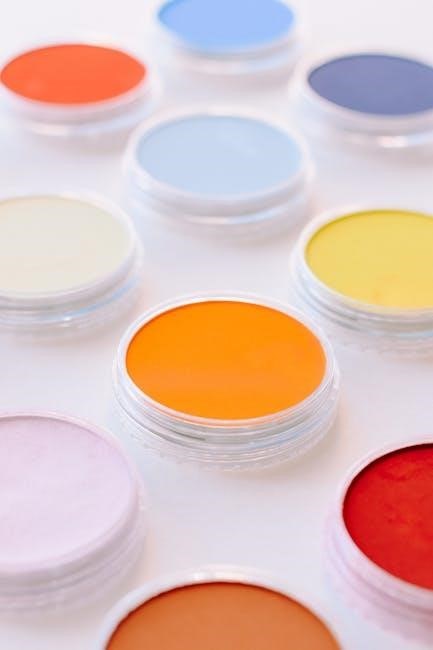
B․ Understanding Light as a Foundation
Light is the fundamental element in realist painting, dictating how we perceive form, space, and color․ Without a solid grasp of light’s behavior, even the most skillful color mixing will fall flat․ Consider light not just as illumination, but as a sculptor, revealing and defining shapes through highlights and shadows․
Understand that light travels in straight lines, creating distinct areas of illumination and shadow․ Observe how light wraps around objects, creating a gradient of value․
Recognize the difference between direct and indirect light; direct light creates strong contrasts, while indirect light is softer and more diffused․
Furthermore, analyze how surfaces interact with light – a matte surface scatters light, while a glossy surface reflects it․ Mastering these principles is essential for creating a convincing illusion of reality․
C․ Color’s Role in Representing Reality
Color, in realist painting, isn’t about arbitrary choices but about accurately representing how light interacts with surfaces․ Color is fundamentally affected by light; what we perceive as a consistent color actually shifts dramatically under different lighting conditions․
Color helps define form and depth․ Warm colors tend to advance, while cool colors recede, creating a sense of spatial relationships․

Understanding local color – the inherent color of an object – is crucial, but equally important is perceiving how ambient light alters that color․
The brain constantly interprets color, striving for color constancy, meaning we perceive colors as relatively stable despite changing light․ A skilled realist painter exploits and acknowledges these perceptual nuances․
II․ The Nature of Light
Light, the foundation of visual experience, dictates how we perceive color and form; understanding its properties—from the electromagnetic spectrum to its varying temperatures—is vital for realism․
A․ The Electromagnetic Spectrum and Visible Light
Light exists as a spectrum of electromagnetic radiation, encompassing wavelengths beyond human perception – from radio waves to gamma rays․ Visible light, the portion our eyes can detect, constitutes a relatively small segment of this vast spectrum, ranging approximately from 380 to 700 nanometers․
Within this range, different wavelengths correspond to different colors: violet, blue, green, yellow, orange, and red․ Understanding this fundamental relationship is crucial for a realist painter․ Color isn’t inherent to an object but rather a result of which wavelengths are reflected back to our eyes․
Objects absorb certain wavelengths and reflect others, determining their perceived color․ This knowledge informs accurate color mixing and representation, allowing artists to convincingly portray how light interacts with surfaces and creates the illusion of reality․ Ignoring this spectrum limits the potential for nuanced and believable depictions․
B․ Direct vs․ Indirect Light
Direct light, originating from a single, focused source like the sun or a spotlight, creates strong highlights and well-defined shadows․ It emphasizes form and texture, resulting in high contrast and dramatic effects․ Realist painters must accurately depict the intensity and sharpness of these shadows to convey a sense of realism․
Conversely, indirect light, or ambient light, has been scattered after bouncing off surfaces․ This diffused illumination produces softer shadows and a more even distribution of light and color․ It lacks the harshness of direct light, creating a gentler, more subtle effect․
Understanding the interplay between direct and indirect light is vital․ Objects often receive both simultaneously, resulting in complex color variations and nuanced shading․ Accurately portraying this interaction is key to achieving a convincing sense of depth and atmosphere in a realist painting․
C․ Light Temperature: Warm vs․ Cool Light
Light temperature refers to the color cast of light, measured in Kelvin (K)․ Lower Kelvin values (around 2700K) produce warm light – yellows, oranges, and reds – reminiscent of sunset or incandescent bulbs․ This warmth can create a cozy, inviting atmosphere in a painting․
Higher Kelvin values (6500K and above) yield cool light – blues and violets – like daylight or fluorescent lighting․ Cool light often feels crisp and clean, but can also appear stark or sterile if not handled carefully․
Realist painters must observe and accurately represent these temperature differences․ Warm light advances colors, while cool light recedes․ Understanding this effect is crucial for creating depth and spatial relationships․ Furthermore, objects reflect the temperature of the light source, influencing their perceived color․
III․ Color Theory Fundamentals
Color theory provides the framework for understanding color relationships, essential for realistic painting; mastering the color wheel, value, and saturation is paramount for artists․
A․ The Color Wheel: Primary, Secondary, and Tertiary Colors
The color wheel is a foundational tool, visually organizing colors and their relationships; primary colors – red, yellow, and blue – are the building blocks, unable to be created by mixing others․
Secondary colors – green, orange, and purple – emerge from mixing two primary colors, creating a harmonious balance; for instance, red and yellow yield orange, while blue and yellow produce green․
Bridging these are tertiary colors, formed by combining a primary and a neighboring secondary color, like red-violet or blue-green, expanding the palette’s nuance․
Understanding these relationships allows artists to predict mixing outcomes and achieve desired hues, crucial for realistic representation; the wheel demonstrates complementary colors (opposite each other) which create contrast and vibrancy․
Furthermore, analogous colors (adjacent on the wheel) offer harmonious blends, aiding in creating mood and atmosphere within a painting, enhancing the overall visual impact․
B․ Color Value: Lightness and Darkness
Color value refers to the lightness or darkness of a color, independent of its hue; it’s a critical element in creating form and depth in realistic painting, establishing a convincing illusion of three-dimensionality․
A value scale ranges from white (highest value) to black (lowest value), with shades of gray in between; understanding this scale is fundamental to accurately depicting how light interacts with surfaces․
Adding white to a color increases its value (creating a tint), while adding black decreases it (creating a shade); mastering this control is essential for rendering highlights and shadows convincingly․
Strong value contrasts create drama and focus attention, while subtle value shifts suggest gentle forms and soft light; accurately observing and reproducing value relationships is paramount․
Establishing a clear value structure early in the painting process provides a solid foundation for layering color and achieving a realistic and compelling final result․
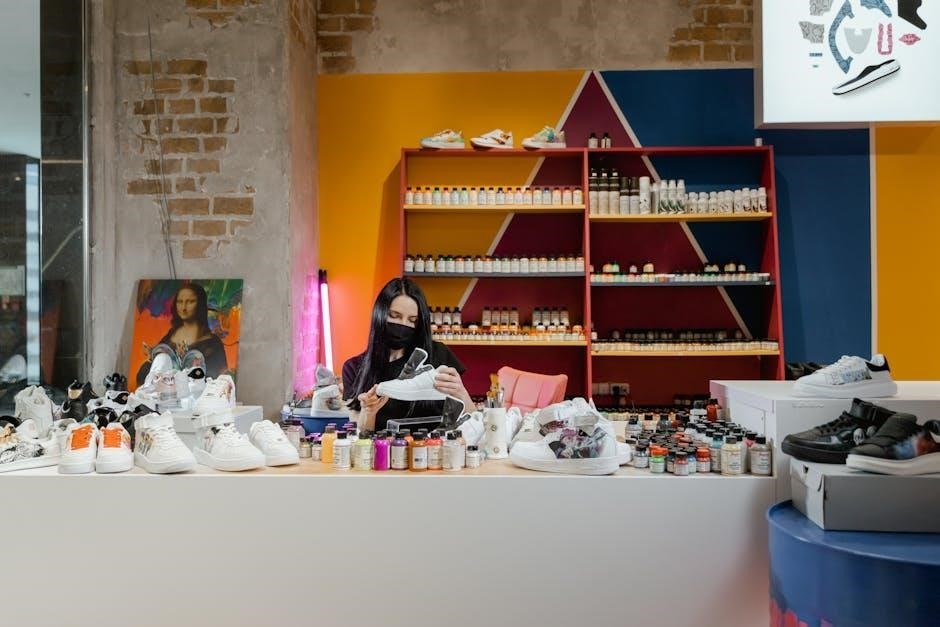
C․ Color Saturation: Intensity and Purity
Color saturation, also known as chroma or intensity, describes the purity or brilliance of a color; it dictates how vivid or muted a color appears, significantly impacting the overall mood and realism of a painting․
A highly saturated color is vibrant and intense, appearing closer to its purest form, while a low-saturation color is duller and closer to gray; understanding this range is crucial for realistic representation․
Light dramatically affects saturation; direct light often increases saturation, while shadows tend to reduce it, creating subtle shifts in color intensity across a surface․
Adding gray to a color reduces its saturation, creating a more muted tone; conversely, using a color straight from the tube offers maximum saturation and vibrancy․
Carefully controlling saturation allows artists to create visual interest, emphasize focal points, and accurately depict the nuances of color as perceived in the natural world․
IV․ How Light Affects Color
Light profoundly alters how we perceive color, shifting local color to perceived color; ambient light and the brain’s interpretation create complex visual experiences․
A․ Local Color vs․ Perceived Color
Local color refers to the inherent color of an object, the color we might assign it under neutral, even illumination – a red apple is inherently red, for example․ However, in reality, we rarely encounter such conditions․ Perceived color is the color our eyes actually register, and it’s dramatically influenced by the surrounding light and environment․
A red apple won’t appear the same shade of red in direct sunlight as it does under the cool shade of a tree, or illuminated by warm artificial light․ The surrounding colors also play a role; a red object placed next to green will appear differently than when placed next to blue․ Understanding this distinction is vital for realistic painting․
Artists must train themselves to see beyond the object’s inherent color and accurately represent the perceived color, acknowledging that color is relative and constantly changing based on light and context․ Ignoring this will result in flat, unrealistic depictions․
B․ The Influence of Ambient Light on Color
Ambient light, the overall illumination in a scene, profoundly impacts how we perceive color․ It’s not simply about brightness; the color temperature of the ambient light – whether warm or cool – casts a subtle tint over everything it touches․ A room lit by incandescent bulbs will have a warm, yellowish cast, affecting all the colors within it․
This influence extends beyond a simple hue shift․ Ambient light affects color saturation and value․ Cool light tends to desaturate warm colors and brighten cool colors, while warm light does the opposite․ Accurately capturing this effect is crucial for realistic representation․
Artists must analyze the color of the ambient light and how it modifies the local color of objects․ Ignoring ambient light results in paintings that feel artificial and lack atmospheric depth, failing to convey a believable sense of space․
C․ Color Constancy and the Brain’s Interpretation
Color constancy is the remarkable ability of the human brain to perceive colors as relatively stable under varying light conditions․ Despite changes in illumination, we generally see a red apple as red, even if the light source shifts from warm to cool․ This isn’t a flaw, but a sophisticated interpretive process․
However, for realistic painting, understanding that this constancy doesn’t automatically happen in a painting is vital․ The artist must create the illusion of color constancy by accurately depicting how light affects color․ The brain expects certain relationships, and deviations create visual dissonance․
Therefore, the artist must consciously account for the brain’s interpretation, rendering colors as they appear under specific light, not as they are “known” to be․ This requires careful observation and a nuanced understanding of perceptual psychology․
V․ Practical Application: Painting Techniques
Establishing a value structure is fundamental, creating a roadmap for light and shadow; layering color builds depth and realism, while careful color mixing achieves nuanced effects․
A․ Establishing a Value Structure
Value, referring to the lightness or darkness of a color, is arguably the most critical element in creating a convincing illusion of form and space․ Before introducing full color, skilled realist painters begin by constructing a strong value structure, often utilizing grayscale or a limited palette․
This initial stage focuses on accurately mapping the light and shadow patterns of the subject․ Identifying the lightest light areas (highlights) and the darkest shadows is crucial, establishing the overall range of tones․
Mid-tones then bridge the gap, defining form and volume․ Think of it as sculpting with light – value defines the planes and curves․ A well-defined value structure provides a solid foundation upon which to build color, ensuring that the painting maintains depth and believability, even before color is introduced․ It’s the underlying architecture of the artwork․
B․ Layering Color to Create Depth
Layering color is a fundamental technique for achieving depth and realism in painting․ Instead of applying colors directly in their final intensity, realist painters build up tones gradually through successive layers, often starting with thin washes or glazes․
This approach allows for subtle color transitions and the creation of optical mixtures, where colors blend in the viewer’s eye rather than on the palette․ Each layer modifies the ones beneath, influencing the final perceived color and adding complexity․
Transparent layers allow light to pass through, reflecting off underlying layers and creating a luminous effect․ Opaque layers can be used to adjust value and cover previous layers․ Careful layering mimics how light interacts with surfaces in reality, enhancing the sense of depth and atmosphere within the painting․
C․ Mixing Colors for Realistic Effects
Realistic color mixing goes beyond simply combining pigments; it requires understanding how light affects color perception․ Avoid using colors straight from the tube; instead, strive to mix hues that accurately represent the observed tones and temperature shifts․

Consider the influence of ambient light and reflected color when mixing․ For instance, shadows aren’t simply darker versions of the local color but often contain complementary hues․
Employ a limited palette to encourage harmonious color relationships and simplify the mixing process․ Practice mixing grays and browns from complementary colors to create natural-looking shadows and muted tones․ Mastering subtle color variations is key to achieving a convincing sense of realism and depth in your paintings․
VI․ Specific Lighting Scenarios
Painting under varying light conditions—direct sunlight, overcast skies, or artificial sources—demands adapting your approach to accurately capture the unique color and tonal shifts․
A․ Painting in Direct Sunlight
Direct sunlight presents a unique challenge due to its high contrast and intense color temperature․ Shadows become deeply saturated and often lean towards cooler hues – blues and violets – while areas directly hit by the sun blaze with warmth․
Accurately representing this requires careful observation; avoid simply darkening local colors for shadows․ Instead, analyze the color shifts occurring within the shade, noting the subtle variations and reflected light․
Highlights will be bright and sharply defined, demanding a keen eye for value․ Remember that the atmosphere can soften edges, especially at a distance․ Local color is dramatically altered, so prioritize what you see, not what you know the object’s color to be․
Consider the sun’s angle; this dictates shadow length and intensity, profoundly impacting the overall composition and mood of your realistic painting․
B․ Painting in Overcast Conditions
Overcast light, diffused by clouds, offers a softer, more even illumination than direct sunlight․ This presents a different set of challenges for the realist painter, as strong contrasts are minimized, and colors appear less saturated․
Shadows are less defined and retain more color information, lacking the deep, cool tones seen in direct sunlight․ The overall effect is a flattening of forms, requiring careful attention to value to maintain depth․
Pay close attention to subtle shifts in color temperature; even overcast skies aren’t uniformly gray․ Observe how the light subtly changes across surfaces, and avoid making everything appear monotone․
Atmospheric perspective becomes more pronounced, as distant objects appear softer and cooler in tone․ Capturing this nuance is crucial for creating a convincing sense of space and realism in your painting․
C․ Painting Artificial Light Sources
Artificial light introduces unique complexities for the realist painter due to its varied color temperatures and often harsh qualities․ Unlike natural light, artificial sources rarely offer a full spectrum, impacting color perception significantly․
Incandescent bulbs emit warm, yellowish light, while fluorescent lights often cast a cool, greenish hue․ Accurately identifying and reproducing these color casts is vital for believable representation․
Observe how artificial light interacts with surfaces, creating strong highlights and deep shadows․ Pay attention to reflected color from surrounding objects, which can further alter the perceived hue․
Consider the intensity of the light source; brighter lights create sharper shadows and more intense highlights․ Mastering these nuances is key to convincingly depicting scenes illuminated by artificial means in your painting․

VII․ Advanced Concepts
Atmospheric perspective, reflected light, and subsurface scattering profoundly influence color and light; understanding these phenomena elevates realistic painting to a higher level․
A․ Atmospheric Perspective and Color
Atmospheric perspective, also known as aerial perspective, is a crucial technique for creating depth and realism in paintings․ It relies on the observation that objects appear less saturated, lighter in value, and cooler in color as they recede into the distance․
This effect is caused by the scattering of light by particles in the atmosphere – dust, moisture, and air itself․ These particles absorb and diffuse shorter wavelengths (blues and violets) more readily than longer wavelengths (reds and oranges), leading to the characteristic bluish haze of distant objects․
To effectively employ atmospheric perspective, artists should gradually reduce the color intensity and contrast of elements as they move further back in space․ Warm colors tend to advance, while cool colors recede, further enhancing the illusion of depth․ Careful consideration of value shifts is equally important, with distant objects appearing closer in value to the sky or background․
Mastering this technique allows for a convincing portrayal of spatial relationships and a heightened sense of realism within the artwork․
B․ Reflected Light and Color Shifts
Reflected light profoundly impacts color perception in realistic painting․ Surfaces don’t just emit light; they also bounce light from surrounding areas, introducing subtle color shifts that are vital to capture accurately․
A white object, for instance, won’t appear purely white if illuminated by a red wall; it will take on a reddish cast due to the reflected light; These shifts are especially noticeable in shadows, where light bouncing off nearby surfaces can illuminate areas that would otherwise be completely dark․
Observing these subtle color variations is key․ Don’t simply paint the local color of an object; analyze how surrounding colors influence its appearance․ Pay attention to the color of shadows – they are rarely black or gray, but often contain reflected colors․
Accurately depicting reflected light adds depth, realism, and visual interest to your paintings, moving beyond a flat, two-dimensional representation․
C․ Subsurface Scattering and its Impact on Color
Subsurface scattering (SSS) is a phenomenon where light penetrates a translucent material – like skin, wax, or marble – and scatters internally before exiting․ This dramatically affects color and creates a soft, glowing effect, crucial for realistic painting․
Unlike direct reflection, SSS causes light to diffuse, softening edges and making objects appear more vibrant․ Areas in shadow aren’t completely dark; they receive light that has traveled through the object, resulting in warmer tones․
For example, painting skin requires understanding SSS; the red of blood vessels beneath the surface influences the color, especially in areas like the ears and nose․ Ignoring SSS leads to a flat, lifeless appearance․
To depict SSS, use layered glazes of translucent colors, focusing on warmer tones in shadowed areas and subtle shifts in hue to convey the internal diffusion of light․